
Landscaping Services in Austin and Central Texas
Landscaping here is not the same job it is anywhere else. Central Texas gives you two incompatible soils within a twenty-minute drive, a watering schedule set by the city rather than by you, summers that run weeks without rain, and the occasional freeze that kills anything not chosen for it. A landscape that ignores those four facts looks good for one season and then becomes a maintenance bill.
We design, install and maintain landscapes across Austin, Cedar Park, Leander, Round Rock and the surrounding towns. Below is how we actually approach the work, and what changes depending on where your property sits.

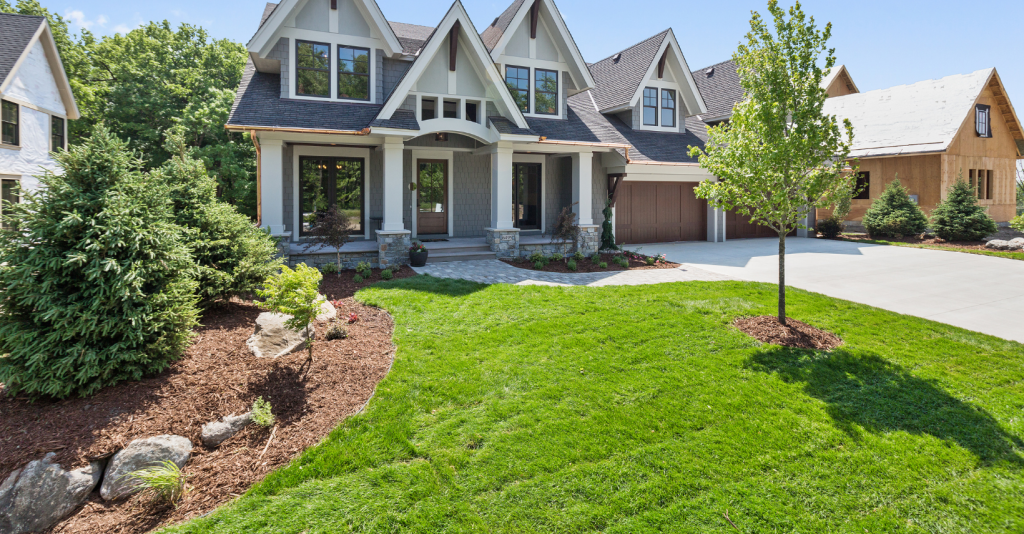
Your soil decides the plan before anything else
This is the first thing we check on any property, because it eliminates most of the plant catalog and half the drainage strategies before design even begins.
West: caliche over limestone
Cedar Park, Leander, Bee Cave, Lago Vista and West Austin sit on thin soil over rock, sometimes only a few inches deep. Water drains almost immediately and anything that wants steady moisture struggles. Planting pockets and raised beds usually beat trying to amend an entire yard. Parts of this area also sit over the Edwards Aquifer recharge zone, where impervious cover limits affect how much patio or driveway you can add.
East: blackland clay
Hutto, Pflugerville, Manor and East Austin sit on deep, heavy clay that holds water, then shrinks and cracks when it dries. Here the problem is drainage, not drought. Plants that thrive in caliche often rot over winter. Grading and compost top-dressing matter more than irrigation, and foundation-adjacent planting needs real thought.
What we do
Each of these has its own page with the detail, timing and what it costs to get wrong.
The city decides how much you get to water
Austin operates year-round conservation rules, not just during declared drought. Automatic irrigation and hose-end sprinklers are restricted to assigned days by address, and midday watering is prohibited outright. Surrounding utilities run their own schedules.
That constraint drives design more than taste does. If a landscape only survives on frequent watering, it will be under-watered by law for most of the year. We build plans that work inside the schedule you are actually allowed to run, and convert irrigation to drip where anything still needs water. Austin Water also runs rebates for turf conversion and irrigation upgrades, which generally require pre-approval before work starts.
When to do what in Central Texas
Fall is the real planting season
September through November the soil is still warm while the air has cooled. Roots establish before summer instead of fighting it. A shrub planted in October enters next July with six months of root growth behind it.
Aerate while grass is growing
Core aeration only works if warm-season grass can knit the holes closed afterward. Early fall is the window for Bermuda, St. Augustine and Zoysia. Later than that and you are punching holes the lawn cannot repair.
Never prune oaks Feb to June
Oak wilt spreads through fresh cuts, and the Texas A&M Forest Service asks homeowners to avoid oak pruning in those months. Paint every wound immediately, in any month. A mature live oak is worth more than anything replacing it.
Where we work
We are based in Cedar Park and serve the northern Austin metro. Each area has its own page with what changes there:
Austin · Cedar Park · Leander · Round Rock · Georgetown · Pflugerville · Hutto · Bee Cave · Brushy Creek · Liberty Hill · Lago Vista
Frequently asked questions
How much does landscaping cost in Austin?
It varies more than most trades because our two soils change the work substantially. Caliche in Cedar Park needs imported soil and different equipment than blackland clay in Pflugerville. Most of a landscape budget is groundwork rather than plants, which is why quotes differ so widely.
What is the best time of year to landscape in Central Texas?
Autumn. Soil stays warm enough to drive root growth while the air has cooled, so plants establish before summer instead of fighting it. A shrub planted in October enters next July with six months of roots behind it.
What plants survive Austin summers without constant watering?
Natives that evolved here: Texas sage, blackfoot daisy, autumn sage, flame acanthus, Turk’s cap, and the muhly grasses. Austin sits in USDA zone 8b, and plants chosen for that survive both the August heat and the occasional hard freeze.
Do I need a permit for landscaping work?
Usually not for planting, but hardscape can be different. Over the Edwards Aquifer recharge zone in West Austin and Bee Cave, impervious cover limits affect how much patio or driveway you can add. Retaining walls above certain heights need engineering and permits.
Can my HOA stop me replacing my lawn?
Not outright. Texas Property Code section 202.007 prevents a property owners association from prohibiting drought-resistant landscaping or water-conserving turf. They can require plan approval and enforce reasonable standards, but a blanket ban is not enforceable.
Tell us what your yard needs
Tell us where you are and what the yard is doing now. We will tell you what your soil allows, what the watering rules permit, and what the work actually costs.