
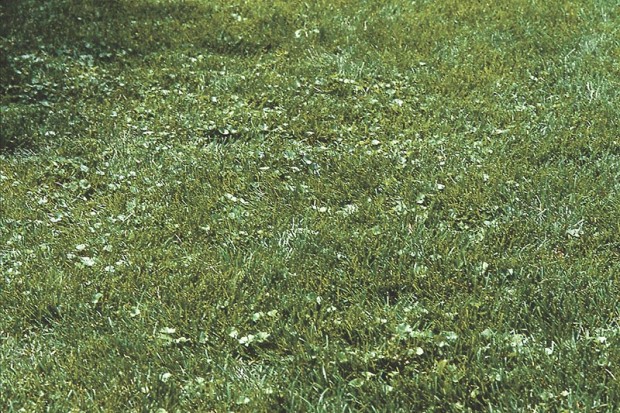
By the time you can see a weed, you are already reacting. Almost all the leverage in Texas lawn weed control sits in two windows most people miss entirely.
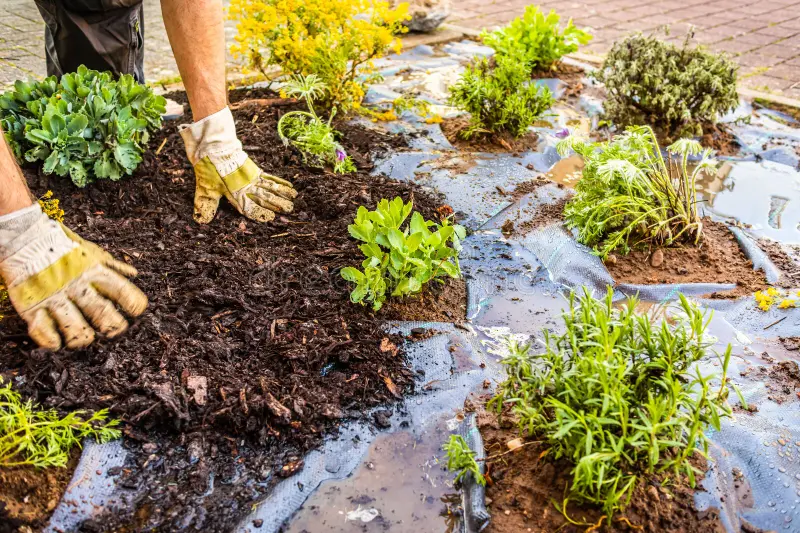
The two windows that matter
Late winter, roughly February to March: pre-emergent for summer weeds like crabgrass, applied before soil warms enough for germination. Early fall, roughly September to October: pre-emergent for winter weeds like poa annua.
Miss either and the rest of that season is spot-treating things that are already established. Pre-emergent produces no visible result, which is exactly why people skip it.
A thick lawn is the real weed control
Weeds colonize gaps. Most persistent weed problems in Austin are mowing-height problems wearing a disguise: St. Augustine cut too short thins, and the thin spots fill with weeds within weeks.
Raise the deck to 3 to 4 inches for St. Augustine, keep Bermuda dense with frequent mowing at 1 to 2 inches, and a large share of the weed pressure disappears without any product at all.
Where people damage their own lawn
Herbicides that are safe on Bermuda are not automatically safe on St. Augustine. Read for your species, not for lawns generally. Applying broadleaf herbicide in high summer heat stresses an already struggling lawn, and applying it to a dormant lawn does nothing useful.
The other common mistake is treating yellowing as a weed or nutrient problem when Central Texas alkaline soil is locking up iron. Adding nitrogen to an iron problem makes it worse. Our lawn care service includes both pre-emergent windows on schedule.
Identify before you spray
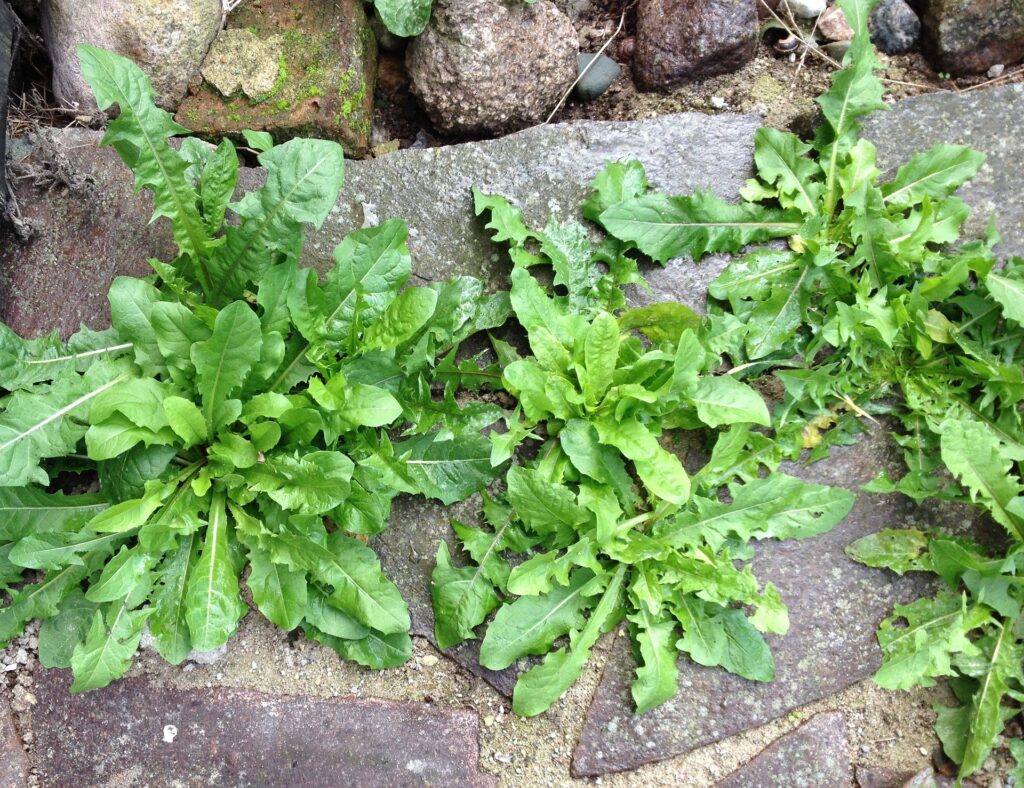
Different weeds need different products, and applying the wrong one wastes money and stresses the lawn. Broadleaf weeds like dandelion and clover respond to one class of herbicide; grassy weeds like crabgrass and dallisgrass need another, and some are barely controllable once established.
Nutsedge deserves its own mention because it is extremely common here and is neither a broadleaf nor a true grass. Ordinary lawn herbicide does almost nothing to it, and pulling it multiplies it from the tubers left behind. It needs a product labelled specifically for sedge.
If you cannot identify it, photograph it and ask before treating. Guessing is how people end up applying three products and damaging the lawn more than the weeds did.
Reading the label for your grass and your weather
The most consequential line on any herbicide label is which turf species it is safe on. St. Augustine is sensitive to products that Bermuda shrugs off. Buffalo and Zoysia have their own limits. A generic lawn weed killer is not automatically safe on your lawn.
Temperature limits matter almost as much. Many products carry an upper temperature threshold above which they damage the turf, which in a Texas summer is easy to exceed by mid-morning. Applying in the heat of the day is a common way to burn a lawn while trying to help it.
Read the timing guidance too: some products need the weed actively growing, which means a dormant winter lawn is the wrong moment for anything except pre-emergent.
Fighting the same weeds every year?
Timing beats product. We work both windows.