
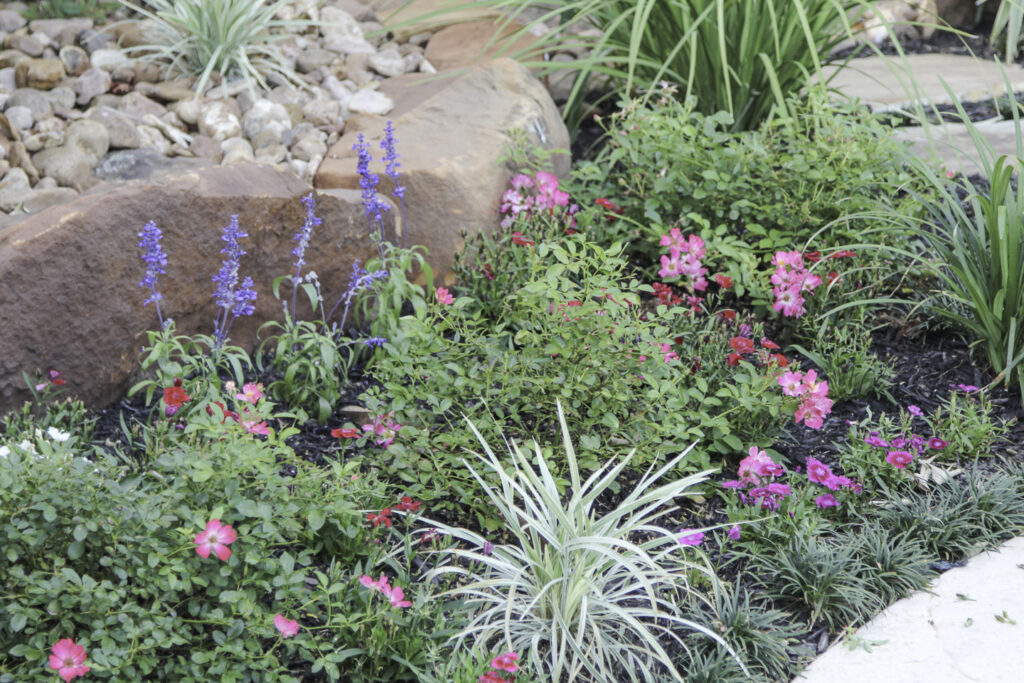
Almost everyone who wants bluebonnets tries to plant them in spring, when they see them blooming. By then it is nearly a year too late.
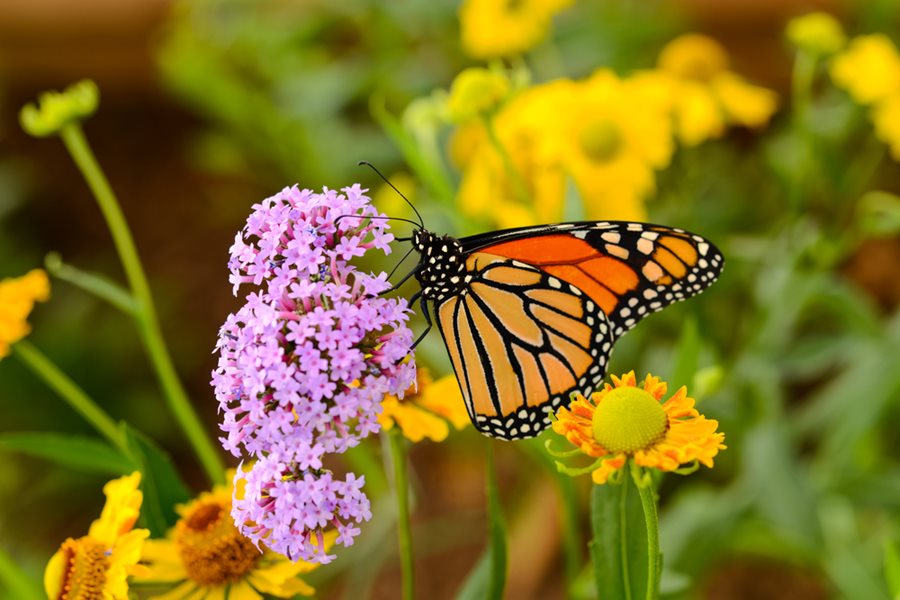
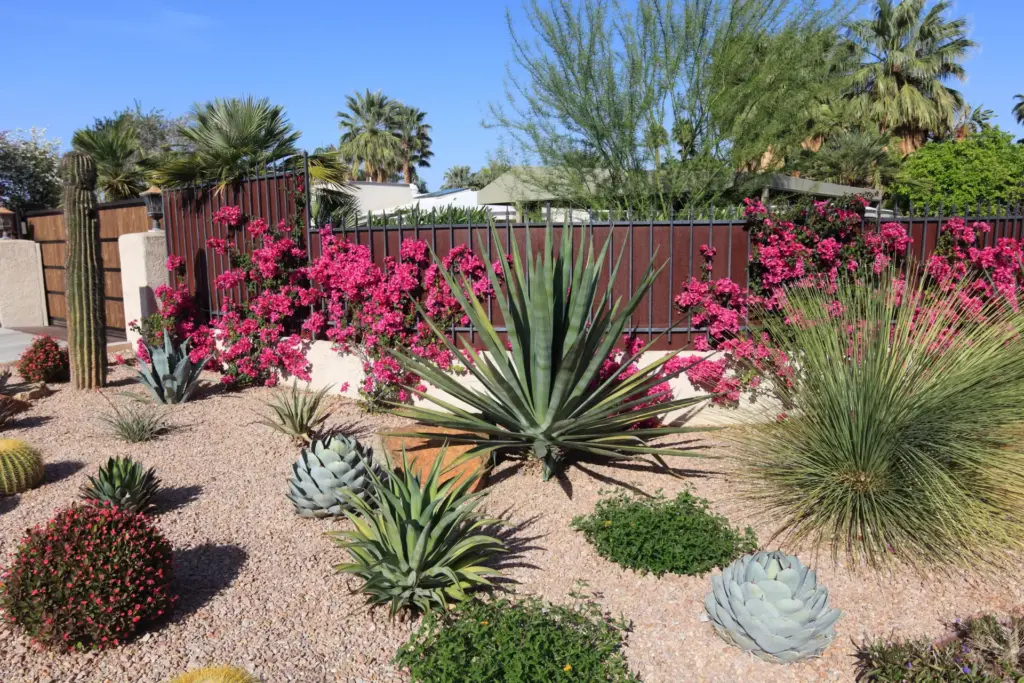
Sow in fall, roughly September through November
Bluebonnets are winter annuals. Seed germinates in fall, the plants grow quietly as small rosettes through winter, and they bloom in spring. Sowing in spring produces nothing that season.
Planning something like this for your own yard? Our team does landscape design and installation in Austin, from the first sketch to the last plant.
Late September through November is the working window in Central Texas. Earlier risks germination during a hot spell; later and roots do not develop enough before bloom time.
Seed-to-soil contact matters more than quantity
Scattering seed on top of thick grass or mulch wastes most of it. The seed needs to touch soil. Rake lightly, sow, then press or walk it in. Do not bury it deep.
Bluebonnet seed has a hard coat and germination is naturally uneven, which is why stands look patchy the first year. Scarified seed germinates more reliably. Water lightly after sowing if rain does not arrive, then leave it alone.
The mowing mistake that erases next year
This is the one that catches people. Bluebonnets set seed after blooming, and that seed is next year is display. Mowing while the pods are still green removes the entire next generation.
Wait until the pods have turned brown and dried, usually well into May or June, then mow. It looks untidy for several weeks and it is the price of a stand that returns and thickens each year.
What else to sow with them
A wildflower area looks better and lasts longer with a mix: Indian blanket, coreopsis, black-eyed Susan and Mexican hat extend bloom well past bluebonnet season. Sow them together in fall.
Wildflower areas work best where they read as intentional. A defined edge and a mown border turn a wildflower patch into a design feature rather than a neglected corner. Our native plant guide covers what pairs well here.
Why the first year looks disappointing
Bluebonnet seed has a hard coat that prevents all of it germinating at once. That is an evolutionary hedge against a bad year, and it means a first-season stand is usually patchy no matter how carefully you sowed.
Scarified seed, mechanically abraded to break that coat, germinates far more evenly and is worth the extra cost for a first planting. Inoculated seed, treated with the rhizobia bacteria bluebonnets partner with, also establishes better in soil that has not grown them before.
Stands thicken over several years as the seed bank builds. The second year is usually noticeably better than the first, and the third better again, provided you let them set seed each spring.
Where they will and will not grow
Bluebonnets want full sun and good drainage, and they are entirely at home in poor rocky alkaline soil. That makes them ideal for the thin caliche on the west side of the metro and along road cuts.
Where they fail: shade, heavy irrigated lawn, and rich amended beds. Fertilizing them is counterproductive, since they fix their own nitrogen and lush growth comes at the expense of flowers. Overwatering rots them.
The practical implication is that the worst corner of your yard, the sunny one with terrible soil where nothing else thrives, is usually the best bluebonnet site. Do not improve it first.
Companion wildflowers that extend the season
Bluebonnets bloom for a few weeks and then they are done. A mix carries colour much longer: Indian blanket picks up as bluebonnets fade, followed by coreopsis, black-eyed Susan, Mexican hat and standing cypress into summer.
Sow them together in fall. Most Texas wildflowers are winter annuals following the same cycle, so a single sowing establishes the whole succession. Seed mixes sold for Central Texas are usually reasonable, but check the species list rather than trusting the photograph on the bag.
The design lesson is the same as with any planting: fewer species repeated across the area reads better than one of everything scattered. Choose four or five and sow them generously.
Common questions we get about this
Three come up almost every time.
Can I do this myself? Usually part of it. The diagnostic work and the finishing details are where experience shows, and the preparation underneath is where shortcuts cost the most. Most homeowners who do it themselves succeed on the visible work and struggle with base preparation, drainage and timing.
When is the best time? In Central Texas, almost always autumn. Soil is still warm, air has cooled, and anything planted or installed has months to settle before summer stress arrives. Spring works but races the heat.
What does it cost? Any number quoted without seeing the property is a guess, because our two soils, the slope and the access change the work substantially within a few miles. What we can say is that the invisible preparation is where the real cost sits, and where the cheapest bid has usually economized.
Want a wildflower area that comes back?
The window is fall, and it closes fast.