

Xeriscaping in Austin is not a style choice. It is a response to the two things every yard here has to survive: a permanent set of watering rules from Austin Water, and a summer that regularly runs weeks without meaningful rain. A well-built water-wise landscape stays green through both. A conventional lawn does not, and it costs you every month to keep it barely alive.
This is what the work actually involves in Austin specifically, including the rebates and the state law most homeowners here do not know they can use.

Austin Water rules already limit how you water
Austin operates under year-round conservation rules, not just during declared droughts. Automatic irrigation systems and hose-end sprinklers are restricted to assigned days based on your address, and watering during the middle of the day is prohibited outright because most of it evaporates before it reaches a root.
That matters for design. A landscape that only survives with frequent watering is a landscape that will be under-watered by law for most of the year. Xeriscaping is not about giving up a green yard, it is about building one that does not depend on a watering schedule you are not allowed to run.
Restriction stages and assigned days change. Check your current stage and watering day with Austin Water before you plan an irrigation change, since the rules drive the design more than personal preference does.
Your side of town decides your plan
Austin sits on two very different soils, and a xeriscape plan that works on one fails on the other. This is the single biggest reason generic advice does not translate here.
West Austin: caliche and limestone
Thin soil over rock, sometimes only a few inches deep. Water drains fast and plants that want moisture die quickly. This is also where the Edwards Aquifer recharge zone sits, so adding patios, driveways or large hardscape can run into impervious cover limits. Planting pockets and raised beds usually beat trying to amend a whole yard.
East Austin: blackland clay
Deep, heavy clay that holds water, then shrinks and cracks when it dries. Drainage is the problem here, not drought. Plants that tolerate caliche often rot in this soil over winter. Compost top-dressing and grading matter more than irrigation.
Before choosing a single plant, dig a test hole and fill it with water. If it drains in under an hour you are on the west side of the problem. If it still holds water the next morning, you are on the east side and your plant list changes completely.
Austin Water pays you to remove turf
Austin Water runs a WaterWise landscape rebate for homeowners who convert irrigated lawn into water-conserving landscaping, plus separate incentives for rainwater collection and irrigation system upgrades. Most people in this city either do not know it exists or assume they will not qualify.
Two things trip people up. The rebates generally require pre-approval before you start work, so tearing out the lawn first can disqualify the project. And the amounts and eligibility rules change from year to year, so verify the current program with Austin Water rather than trusting a number you read somewhere.
On a typical front yard conversion the rebate does not cover the whole job, but it is real money that most homeowners leave on the table.
Your HOA cannot ban drought-resistant landscaping in Texas
Under Texas Property Code section 202.007, a property owners association may not prohibit drought-resistant landscaping or water-conserving turf. They can require you to submit a plan for approval, and they can enforce reasonable aesthetic standards, but a blanket ban on replacing your lawn is not enforceable. If your HOA has told you no, that is worth a second conversation with the statute in hand.
Plants that actually hold up here
Austin is USDA zone 8b. The list below is not a general drought-plant list, these are species that survive both the August heat and the occasional hard freeze that kills tropical-look substitutes.
Full sun, no fuss
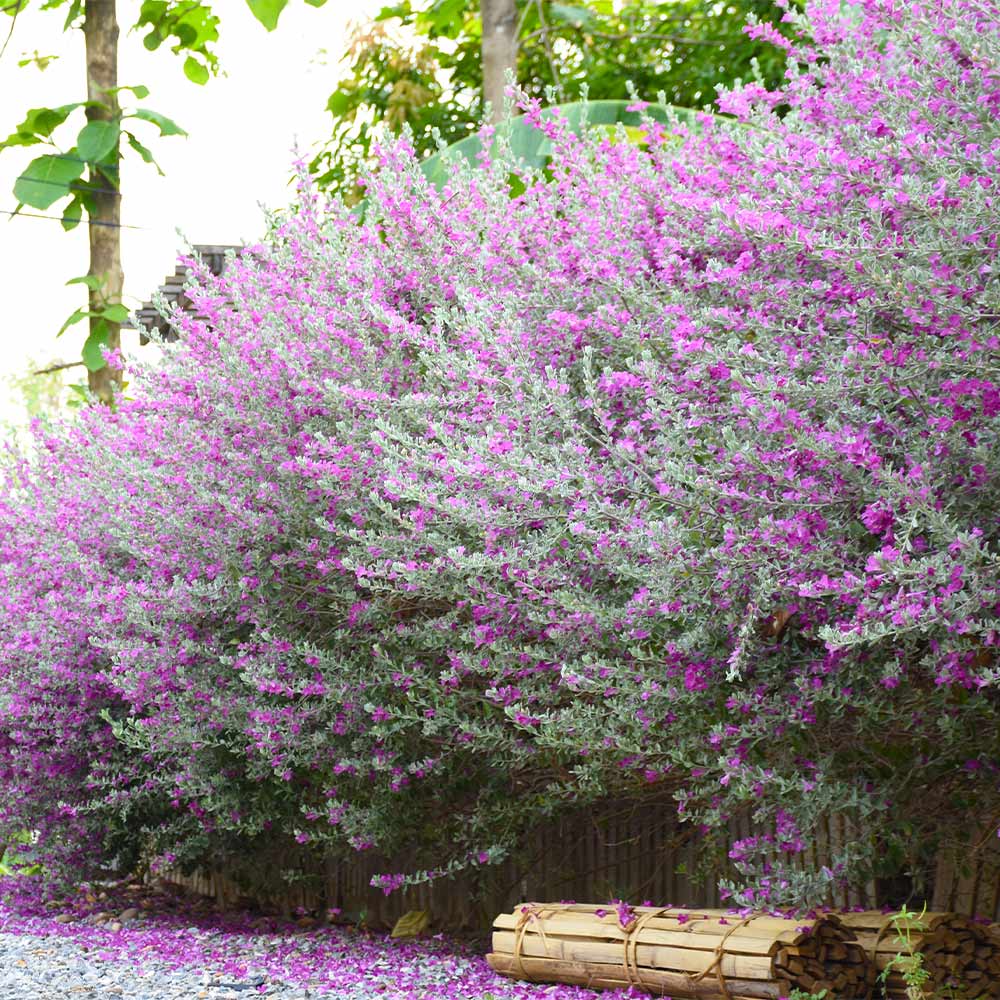
- Texas sage (Leucophyllum frutescens) — blooms ahead of rain
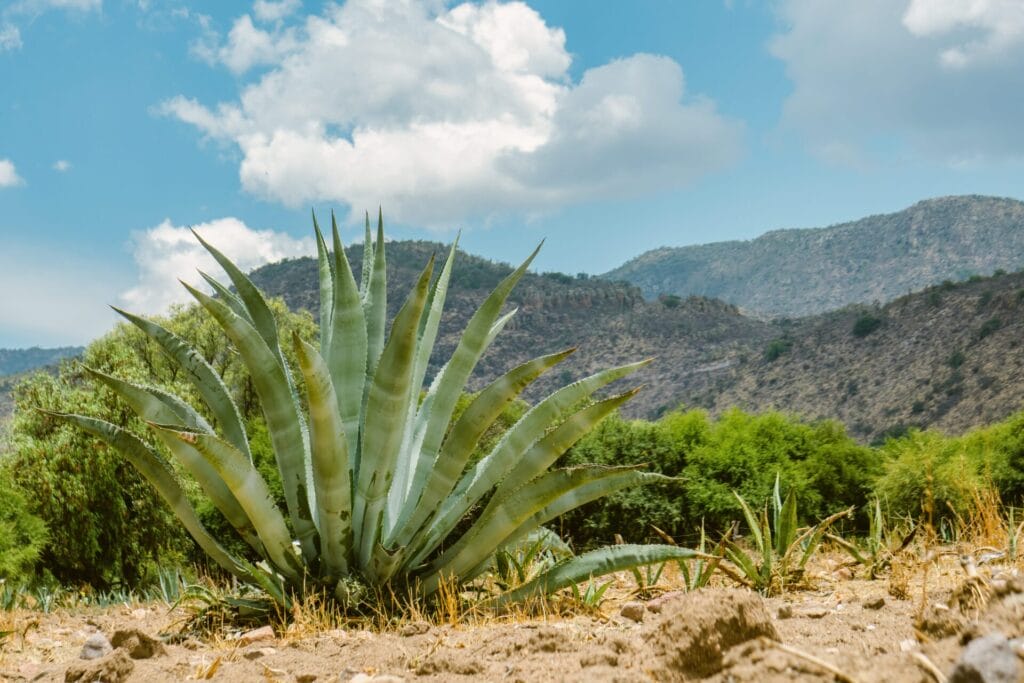
- Agave and yucca — structure that holds year-round
- Blackfoot daisy — thrives in the worst caliche
- Damianita — low yellow mounds, evergreen
Color and pollinators
- Autumn sage (Salvia greggii) — spring to frost
- Flame acanthus — hummingbird magnet in peak heat
- Rock rose (Pavonia) — shrugs off neglect
- Zexmenia — long bloom, tough as nails
Shade and movement
- Turk’s cap — one of the few that handles deep oak shade
- Cedar sage — red bloom under trees
- Gulf and Lindheimer muhly — fall texture and light
- Mexican feather grass — movement in wind
If you still want a lawn, change the grass
Xeriscaping does not require removing every blade of grass. It requires removing grass that cannot survive Austin without constant irrigation. Two native options work here:
Buffalo grass is the traditional choice. It goes dormant and brown in deep summer drought, then greens back up. If brown dormancy bothers you, it is the wrong pick.
Habiturf, the native turf mix developed at the Lady Bird Johnson Wildflower Center here in Austin, blends buffalo grass with blue grama and curly mesquite. It holds color longer and takes light foot traffic, but it wants full sun and honest soil prep before seeding.
For paths and seating areas, decomposed granite is the local standard: cheap, permeable, and it looks right against limestone. It does migrate, so it needs edging and a top-up every few years.
What xeriscaping is not
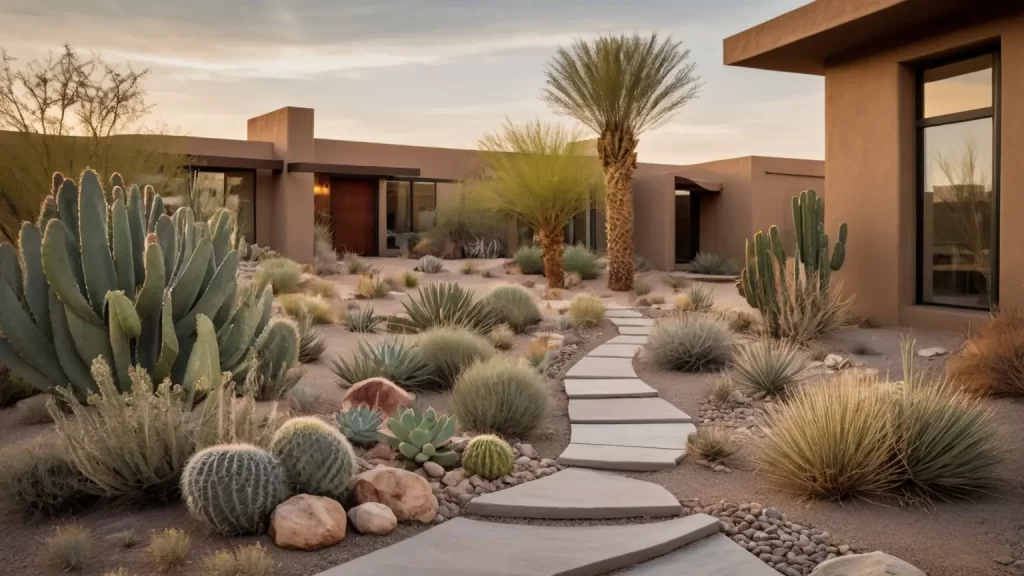
The reason many Austin homeowners resist this is a mental image of gravel and three sad cactuses. That is not xeriscaping, that is zeroscaping, and it makes a yard hotter, not cooler.
A rock field radiates heat back at your house and raises your cooling bill. A properly planted water-wise landscape does the opposite: canopy and groundcover shade the soil, hold what rain does fall, and keep the area around your foundation cooler. Done right, it has more color across the year than a St. Augustine lawn, because something is always blooming.
The first year still needs water
This is where most DIY conversions fail. Drought-tolerant does not mean drought-tolerant on day one. Native plants need regular, deep watering through their first full summer to push roots down. Skip that and you will lose plants that would have needed almost nothing from year two onward. Plan the establishment watering into the project, and time planting for fall so roots develop before the first triple-digit day.
One timing rule that is not optional
If your conversion involves cutting, clearing or pruning any oak, the Texas A&M Forest Service asks that you avoid doing it between February and June. That is when the beetles that spread oak wilt are most active, and fresh cuts are how the disease enters. Oak wilt has killed entire stretches of Central Texas canopy.
Paint every oak wound immediately, in any month. Schedule oak work for late summer through winter. A mature live oak is worth more to your property than anything you will plant to replace it.
How we approach an Austin conversion
We start with the drainage test and your Austin Water restriction stage, because those two facts eliminate most of the plant catalog before anyone talks about design. From there: a planting plan built for your actual soil, irrigation converted to drip where anything still needs water, hardscape sized to respect impervious cover limits if you are over the recharge zone, and a rebate application submitted before demolition so the money stays available.
Then the part nobody enjoys explaining: a real establishment watering schedule for the first year, so the landscape you paid for is still there in year three.
Frequently asked questions
Is xeriscaping just gravel and cactus?
No, that is zeroscaping and it makes a yard hotter. A properly planted water-wise landscape shades soil, holds rainfall and keeps the area around your foundation cooler. Done right it has more colour across the year than a St. Augustine lawn.
Does Austin offer rebates for removing turf?
Austin Water runs a WaterWise landscape rebate for converting irrigated lawn to water-conserving landscaping, plus incentives for rainwater collection and irrigation upgrades. Most require pre-approval before work begins, so applying before demolition matters.
Do xeriscape plants still need watering?
Yes, through the first full summer. Drought-tolerant does not mean drought-tolerant on day one. Native plants need deep regular watering to establish roots, and skipping that loses plants that would have needed almost nothing from year two.
Can my HOA prohibit xeriscaping?
No. Texas Property Code section 202.007 prevents an association from prohibiting drought-resistant landscaping. They can require a plan for approval, which is worth submitting as a drawing with defined edges rather than a vague request.
How much water does xeriscaping actually save?
Enough to change a summer bill noticeably, though the first year costs nearly as much as the lawn did because of establishment watering. The saving starts in year two, and mowing and replacement planting drop as well.
Get a xeriscaping estimate for your Austin yard
Tell us where you are in town and what your yard is doing now. We will tell you what your soil allows, what rebate you may qualify for, and what the conversion actually costs.