
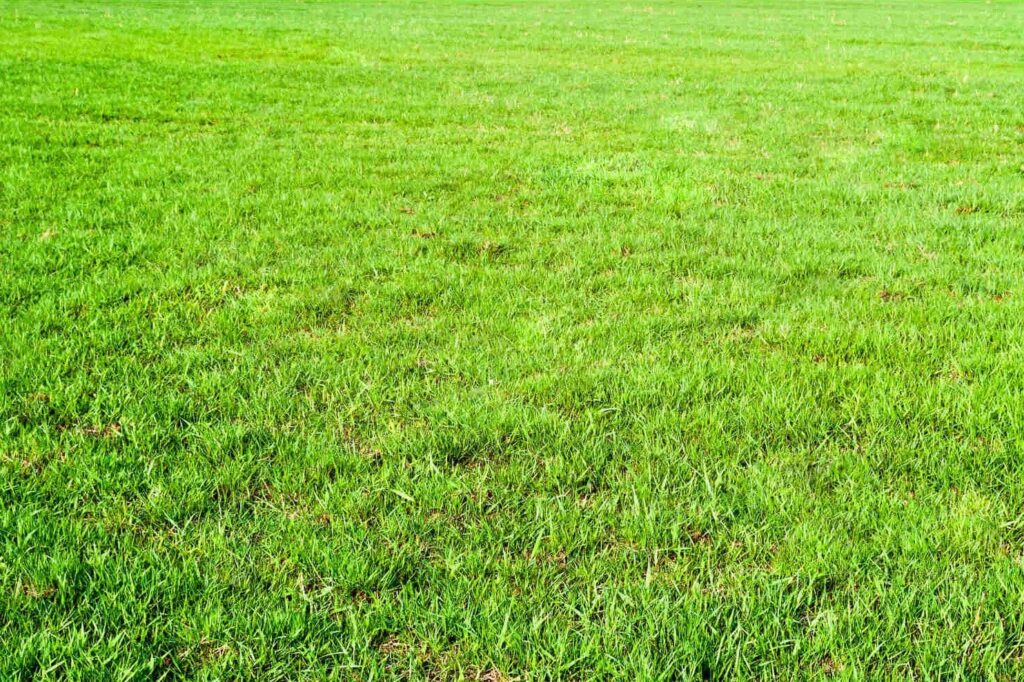
Sod goes down more often in spring than any other season, and spring is not the easiest time to do it here. Early fall gives new turf something spring cannot: weeks of moderate weather before real stress arrives.
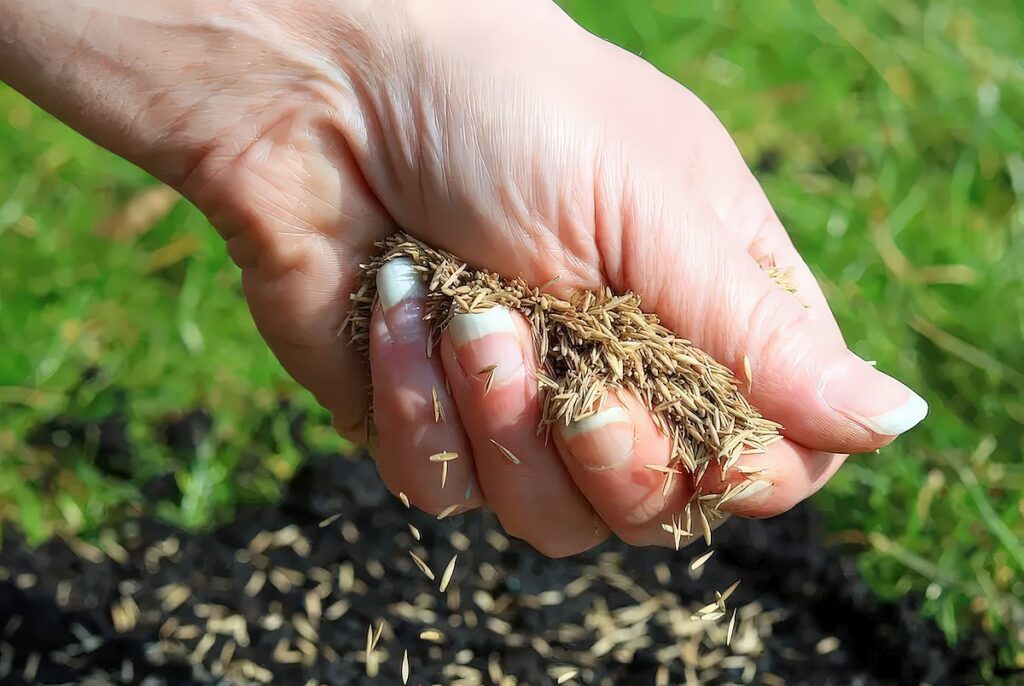

The timing argument
Warm-season grass needs to be actively growing to root into the soil beneath it. In early fall it still is, while air temperatures have eased and evaporation has dropped.
Rather hand it off? See our lawn care service in Austin: mowing, feeding and weed control on a schedule that fits Austin's watering rules.
That combination means less watering to keep it alive and less heat stress during the vulnerable first weeks. Spring installation works too, but it races the arrival of June. Go too late in fall and the grass slows before rooting, which is the one real risk.
Soil preparation decides the outcome
Sod laid on compacted, unprepared ground will look fine for three weeks and then struggle indefinitely. Roots have to leave the sod layer and enter the soil, and they cannot enter compacted clay.
Till or aerate, incorporate compost, level carefully, and confirm the grade falls away from the house. Every failure we get called to fix traces back to this step being rushed.
The watering schedule that works
New sod is the exception to deep-and-infrequent. It needs frequent light watering at first, because its roots are still in the sod layer and cannot reach down.
Roughly daily for the first couple of weeks, then tapering over the following month toward normal deep watering. The tapering is what people skip: stopping abruptly loses the sod, and watering daily forever produces a lawn that never roots properly.
Choosing the grass
Match to light. St. Augustine for shade, Bermuda for full sun and traffic, Zoysia between the two, Buffalo for lowest water use with brown dormancy accepted.
Installing the wrong species is the most expensive mistake here, because it fails slowly over two years rather than immediately. See lawn care for the maintenance schedule, and core aeration for keeping the soil open once it is established.
Common questions we get about this
Three come up almost every time.
Can I do this myself? Usually part of it. The diagnostic work and the finishing details are where experience shows, and the preparation underneath is where shortcuts cost the most. Most homeowners who do it themselves succeed on the visible work and struggle with base preparation, drainage and timing.
When is the best time? In Central Texas, almost always autumn. Soil is still warm, air has cooled, and anything planted or installed has months to settle before summer stress arrives. Spring works but races the heat.
What does it cost? Any number quoted without seeing the property is a guess, because our two soils, the slope and the access change the work substantially within a few miles. What we can say is that the invisible preparation is where the real cost sits, and where the cheapest bid has usually economized.
How this fits the rest of your yard
Almost nothing in a Central Texas landscape works in isolation, and the most common reason a well-executed project disappoints is that something adjacent to it was left unaddressed.
Soil sits underneath everything. Compacted ground defeats good planting, good irrigation and good drainage equally, which is why core aeration and compost keep appearing in otherwise unrelated recommendations. If the soil cannot accept water, nothing above it performs.
Water is the second thread. Your utility sets the days you may irrigate, your soil sets how fast it can absorb, and those two facts together determine what the landscape can realistically be. A plan that ignores either produces a yard that survives on effort rather than on design.
And timing runs through all of it. Autumn is the productive season here for planting, sod, soil work and oak pruning. Spring is busier and harder because everything installed then races the summer. Shifting work into the cooler months is the single cheapest improvement most homeowners can make to their results.
If you are weighing one project against another, the order that usually pays best is drainage and grading first, soil second, planting third and decorative elements last. It is the least satisfying sequence and the one that avoids paying twice.
A short checklist before you start
Before committing money to this, five checks save most of the problems we get called to fix afterwards.
Test your drainage. Dig a hole a foot deep, fill it with water and time how long it takes to empty. Under an hour means fast-draining caliche; still holding water the next morning means blackland clay. That single result changes plant choice, watering and preparation more than anything else you will decide.
Check your current restriction stage. Austin, Cedar Park, Round Rock, Leander, Georgetown and Pflugerville each set their own watering days and stages. Design for the tighter version rather than the one in force on a wet spring.
Confirm what is buried. Call 811 before any digging. It is free, it is required, and irrigation lines, gas and electrical are rarely where people assume.
Check the rebate before you demolish. Austin Water incentives for turf conversion and irrigation upgrades generally require pre-approval, and removing the lawn first can disqualify the project entirely.
Ask about the invisible work. Base depth, compaction, drainage and soil preparation are where a project either lasts a decade or needs redoing in two years, and they are the lines easiest to trim to win a bid. A quote that specifies them is written by someone who intends to do them.
Planning new sod?
Soil prep decides it. Everything else is watering discipline.