
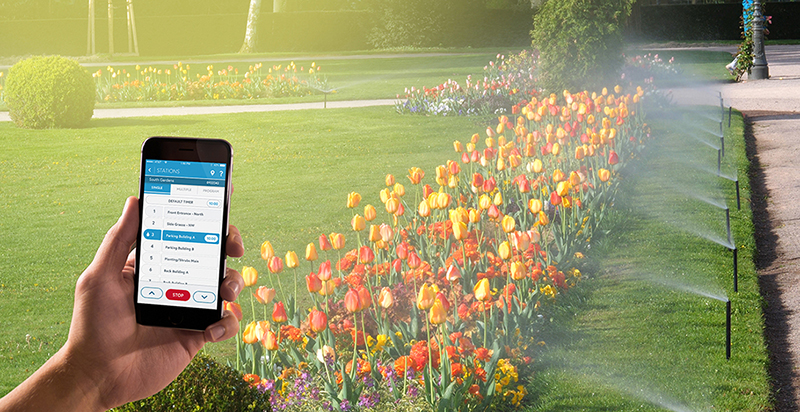
Two quotes for the same yard can differ by thousands, and the difference usually is not margin. These are the variables that actually drive irrigation pricing in Central Texas.

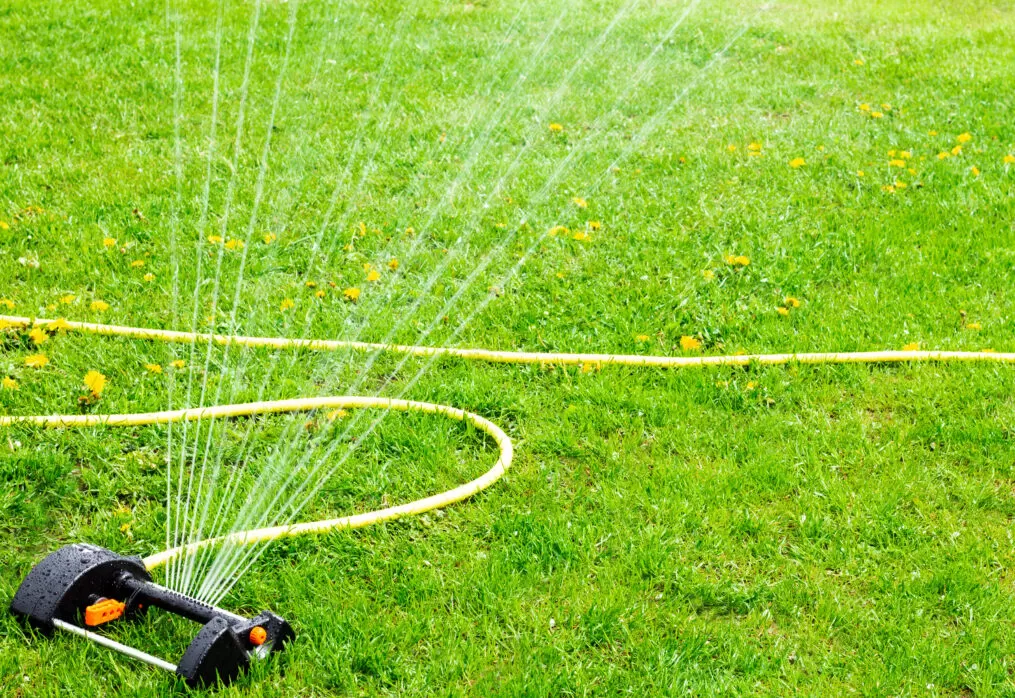
Zones, driven by water not by area
The number of zones is set by your available pressure and flow, not by yard size alone. A property with limited flow needs more zones to cover the same ground, and each zone adds a valve, wire, trenching and labor.
This is why a quote that promises fewer zones for a lower price is often the worse deal. Under-zoning produces weak coverage that no scheduling fixes.
Soil and rock
Trenching through blackland clay in Pflugerville or Hutto is straightforward work. Trenching through caliche and limestone in Cedar Park or Bee Cave is a different job requiring different equipment and taking longer.
Anyone quoting without knowing which side of the metro you are on is guessing. Existing hardscape, mature tree roots and utility locations all add to it.
Head type and the backflow assembly
Rotary heads cover more ground per head on open turf; spray heads suit tight or irregular areas. A design mixing them sensibly costs a little more up front and wastes far less water forever.
The backflow assembly is required, its type depends on your site and utility, and it is not the line item to shop on. It is what protects your drinking water from irrigation water.
Licensing is part of the price
Texas requires a TCEQ licensed irrigator to install, alter or repair irrigation systems, and most cities require a permit and inspection for new installs. That licensing and permitting is a real cost, and a bid that comes in far below the others has usually left it out.
Ask for the irrigator license number before work starts. See our irrigation service for what a proper quote includes.
Retrofit versus new install
Adding irrigation to an established landscape costs more than installing it during construction, because trenching has to work around existing planting, hardscape and mature roots.
Where possible, trenching in a retrofit follows bed lines and lawn edges rather than crossing the middle of things. Around mature trees, hand digging or routing wide is necessary, since cutting major roots to save a few feet of trench is a poor trade.
A partial retrofit is often the sensible answer: irrigate the lawn and the beds that need it, and leave established native areas without irrigation entirely. That reduces both the install cost and the running cost, and it is a better design than watering everything equally.
Smart controllers and rain sensors
A weather-based controller adjusts run times to actual conditions rather than a fixed schedule, and in a climate that swings between drought and downpour that saves real water. Austin Water has offered rebates on qualifying models.
A rain sensor is cheaper and does one job well: it stops the system running during and immediately after rain. The number of systems we find watering enthusiastically in a rainstorm is remarkable, and almost always the sensor has failed rather than never being fitted.
Neither fixes a bad design. A smart controller on a system with mixed zones and coverage gaps simply distributes the wrong amount of water more intelligently. Fix the layout first, then automate it.
What a proper quote should show
Zone count with what each zone covers. Head types and spacing. The backflow assembly type. Controller model. Trenching depth. Whether permits and inspection are included. And the irrigator license number.
Ask what happens to your lawn during installation, because trenching leaves scars that need repair. Ask whether the price includes restoring turf over the trenches or whether that lands on you afterward.
Ask about the warranty and what it covers. Parts and labour for a defined period is normal. A quote with none of this, just a total, is not comparable to one that itemizes, and the gap between them is usually exactly the work that has been left out.
Common questions we get about this
Three come up almost every time.
Can I do this myself? Usually part of it. The diagnostic work and the finishing details are where experience shows, and the preparation underneath is where shortcuts cost the most. Most homeowners who do it themselves succeed on the visible work and struggle with base preparation, drainage and timing.
When is the best time? In Central Texas, almost always autumn. Soil is still warm, air has cooled, and anything planted or installed has months to settle before summer stress arrives. Spring works but races the heat.
What does it cost? Any number quoted without seeing the property is a guess, because our two soils, the slope and the access change the work substantially within a few miles. What we can say is that the invisible preparation is where the real cost sits, and where the cheapest bid has usually economized.
Comparing irrigation bids?
We will walk you through what each line actually covers.