

Walk any well-built Austin garden and the paths are usually decomposed granite. It is cheap, permeable and it looks right against limestone. It also migrates, which is what nobody mentions until year two.
Why it suits here
It drains, which matters on a site where a downpour dumps two inches in an hour. It stays cooler underfoot than concrete or dark stone. It costs a fraction of paving. And visually it belongs, because the color is the same family as the limestone under most of this region.
Planning something like this for your own yard? Our team does landscape design in Austin, TX, from the first sketch to the last plant.
Over the Edwards Aquifer recharge zone there is a further advantage: permeable surfaces are treated differently from impervious cover, which matters when limits apply to how much hard surface you can add.
Installing it so it lasts
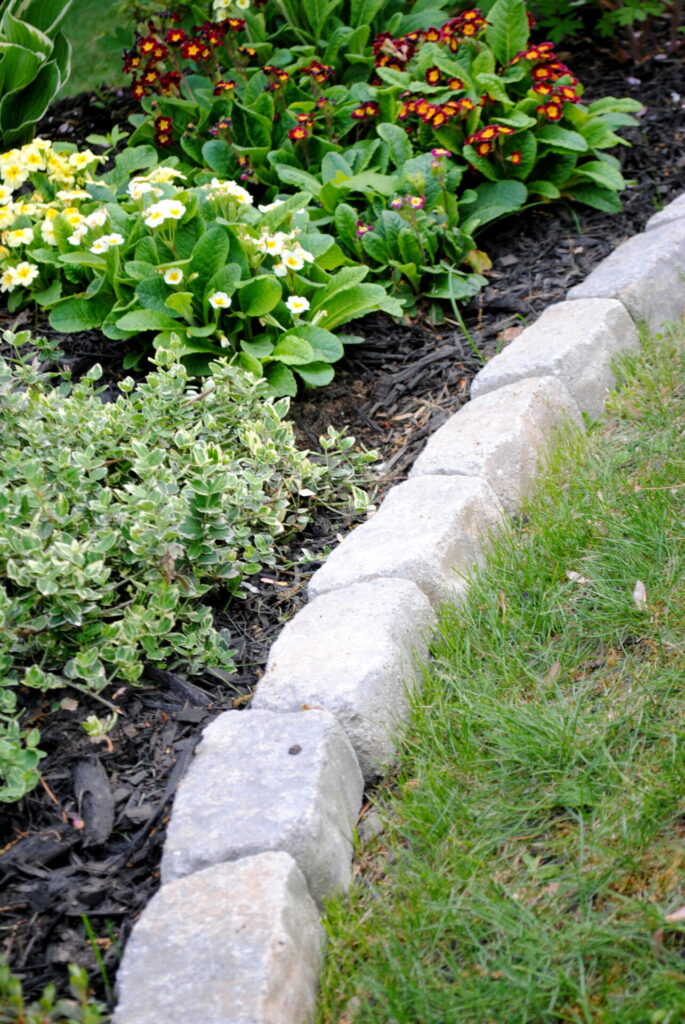
Depth and compaction are what separate a path that holds from one that scatters. A properly prepared base, compacted in layers, and edging on both sides to contain it. Steel edging disappears visually; stone edging becomes part of the design.
On any real slope, plain decomposed granite will wash. Either terrace it with steps or use a stabilized version with a binder mixed in, which costs more and moves far less.
The honest maintenance picture
It needs topping up. Expect to add material every few years, more often on paths that get heavy use or handle runoff. Weeds germinate in it and need pulling or spot treatment.
If that upkeep is unacceptable, pay once for hardscaping in stone or pavers instead. If a small annual task in exchange for a much lower install cost sounds reasonable, decomposed granite is the right call for most Austin yards.
Choosing the right product
Not all decomposed granite is the same. Loose material is cheapest and moves most. Stabilized versions include a binder that sets firmer, resist washing, and cost more. Crushed granite with fines compacts better than washed material, which stays loose because the fines that lock it together have been rinsed out.
Color varies by quarry, from tan through pink to grey. Pick it against your house and your stone rather than from a photograph, and buy from one batch if you can, since colour shifts between deliveries are noticeable.
For wheelchair access or heavy cart traffic, stabilized is worth the difference. For a garden path, loose is usually fine.
Living with it over the years
Expect to top up every few years, more often on heavily used paths or where water runs across them. Rake it back into place occasionally, particularly after storms.
Weeds germinate in the fines. A pre-emergent in the two seasonal windows suppresses most of it, and hand-pulling handles the rest. Landscape fabric underneath helps less than people expect, since weeds root in the material above it rather than growing up through it.
Where it consistently disappoints is directly against a door, because material tracks indoors on shoes. A short run of stone or pavers at thresholds solves that without abandoning granite for the rest of the path.
Planning paths or a patio?
We will tell you honestly where decomposed granite works and where it does not.