

Not all curb appeal spending returns the same. Some cheap changes transform a front yard and some expensive ones barely register from the street.
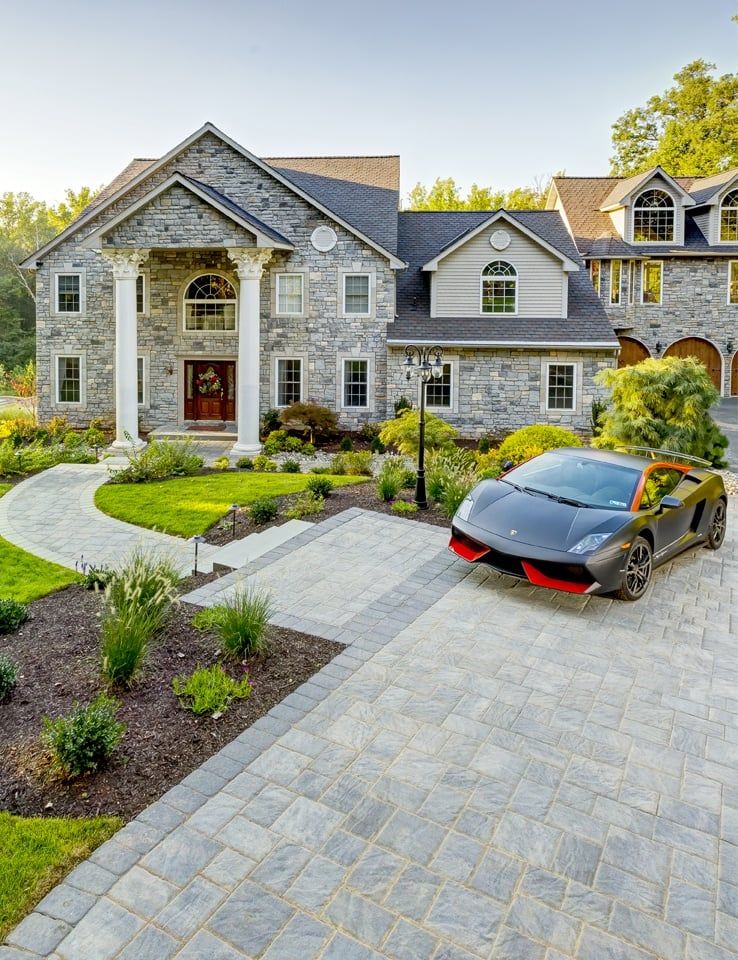
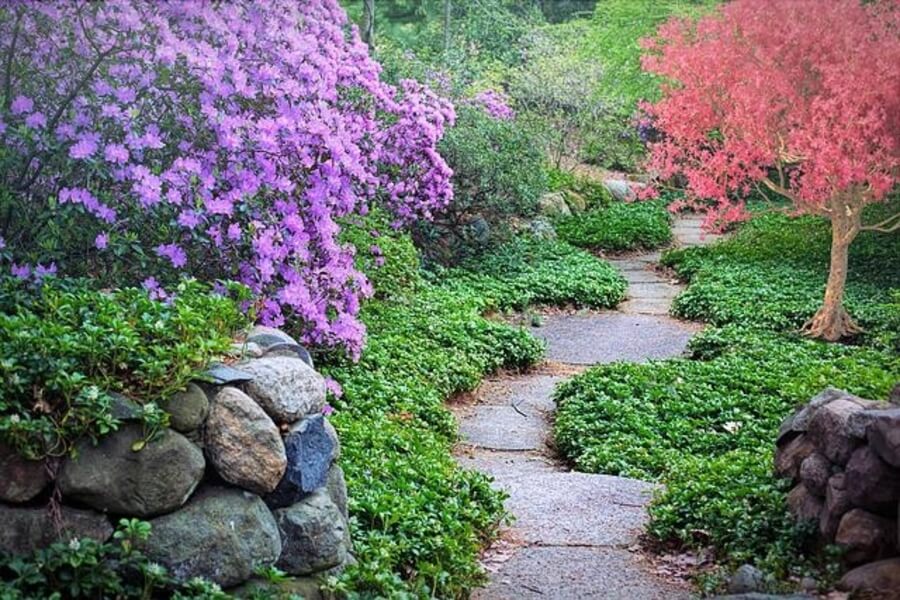
Highest impact per dollar
Clean edges. A crisp line between lawn and bed, cut or edged properly, makes an ordinary yard look maintained. Costs almost nothing and is the single most visible improvement available.
Fresh mulch. Uniform dark mulch unifies scattered planting instantly. Trimming overgrowth away from windows and the entry restores the architecture the plants have been hiding.
Strong return, moderate cost
Massed planting instead of singles. Replacing fifteen scattered plants with three species repeated reads as designed rather than accumulated. Often uses plants you already have, rearranged.
A defined entry path. Widening a narrow walk so two people fit, or replacing cracked concrete, changes the approach to the house more than most planting does. Lighting at the entry and one uplit tree doubles the hours the yard is seen.
Worth it but slower to pay back
Replacing struggling turf with water-wise beds. Costs real money, saves on water afterward, and looks better than grass that never quite works.
A specimen tree in the right position. Slow, but nothing else changes a front yard more over a decade. Plant in fall, site it away from the foundation and utilities.
Lowest return for the money
Elaborate hardscape in the front yard that nobody uses. Water features visible from the street that become a maintenance obligation. Very large or very unusual specimen plants that read as expensive rather than attractive.
The pattern: front yards reward tidiness, structure and light far more than they reward expense. Start with edges, mulch and pruning, and only then consider adding. See landscape design if you want the whole thing planned before spending.
Sequencing the work
Order matters, because some projects make others harder. Anything involving trenching, irrigation, drainage or electrical goes before hardscape, and hardscape goes before planting.
Grading precedes everything. Installing beds and paths on ground that drains toward the house means redoing them when you finally address it.
Where budget is limited, do the invisible infrastructure first even though it shows nothing, then add visible improvements over subsequent seasons. Doing it the other way round means digging up finished work, which is how curb appeal projects end up costing twice.
What buyers actually notice
Agents consistently report the same things: a clean, defined entry; a lawn or front planting that looks maintained rather than lush; mature trees; and the absence of anything that reads as deferred maintenance.
What buyers do not reward: elaborate features they will have to maintain, highly personal design choices, and anything that looks expensive to run. A large water feature can read as a liability rather than an asset.
The general principle is that front yards should look cared for and low-effort rather than impressive. Impressive raises questions about upkeep; cared-for reassures.
Budget tiers and realistic outcomes
Under a few hundred dollars: edging, mulch, pruning back overgrowth, replacing dead plants. This is genuinely the highest return per dollar available and most front yards improve dramatically from it alone.
A few thousand: rework the planting into massed groups, add lighting at the entry and one uplit tree, repair or widen the front walk.
Beyond that: replacing failing turf with designed water-wise planting, hardscape improvements, or a specimen tree. All worthwhile, all slower to pay back, and none of them compensate for skipping the first tier. See landscape design if you want the whole sequence planned before spending on any of it.
Common questions we get about this
Three come up almost every time.
Can I do this myself? Usually part of it. The diagnostic work and the finishing details are where experience shows, and the preparation underneath is where shortcuts cost the most. Most homeowners who do it themselves succeed on the visible work and struggle with base preparation, drainage and timing.
When is the best time? In Central Texas, almost always autumn. Soil is still warm, air has cooled, and anything planted or installed has months to settle before summer stress arrives. Spring works but races the heat.
What does it cost? Any number quoted without seeing the property is a guess, because our two soils, the slope and the access change the work substantially within a few miles. What we can say is that the invisible preparation is where the real cost sits, and where the cheapest bid has usually economized.
How this fits the rest of your yard
Almost nothing in a Central Texas landscape works in isolation, and the most common reason a well-executed project disappoints is that something adjacent to it was left unaddressed.
Soil sits underneath everything. Compacted ground defeats good planting, good irrigation and good drainage equally, which is why core aeration and compost keep appearing in otherwise unrelated recommendations. If the soil cannot accept water, nothing above it performs.
Water is the second thread. Your utility sets the days you may irrigate, your soil sets how fast it can absorb, and those two facts together determine what the landscape can realistically be. A plan that ignores either produces a yard that survives on effort rather than on design.
And timing runs through all of it. Autumn is the productive season here for planting, sod, soil work and oak pruning. Spring is busier and harder because everything installed then races the summer. Shifting work into the cooler months is the single cheapest improvement most homeowners can make to their results.
If you are weighing one project against another, the order that usually pays best is drainage and grading first, soil second, planting third and decorative elements last. It is the least satisfying sequence and the one that avoids paying twice.
Front yard looking tired?
Start with edges and mulch. We will tell you if you need more.