

Mulch does more for a Central Texas landscape than almost anything else you can buy: it holds moisture, moderates soil temperature, suppresses weeds and slowly feeds the soil. Which type you choose changes how well it does each.
Shredded hardwood
The workhorse. Knits together so it stays put on slopes better than most, breaks down at a reasonable rate feeding the soil, and looks appropriate in most settings.
Planning something like this for your own yard? Our team does landscape design and installation in Austin, from the first sketch to the last plant.
Needs topping up annually as it decomposes, which is a feature rather than a fault: that decomposition is what improves the soil underneath. On our low-organic-matter ground that matters.
Cedar and pine bark
Cedar resists decomposition longer, smells good and repels some insects. It lasts longer between top-ups and costs more accordingly.
Pine bark nuggets look tidy but float. In a Central Texas downpour, nuggets end up in the lawn and against the fence. Fine on flat protected beds, poor anywhere water moves.
Rock, and where it goes wrong
Rock does not decompose, so it never needs replacing, and it suits xeriscape and drainage areas. That permanence is also the problem: it adds no organic matter, and our soil badly needs organic matter.
Worse, rock stores and radiates heat. A wide rock bed against the house raises temperatures around plants and against the wall in an Austin summer. Use it where drainage matters or where the look is intentional, not as a default because it is low maintenance.
Depth, and the mistake everyone makes
Two to three inches is right. Less and weeds come through; more and water struggles to reach soil and roots can suffocate.
The universal error is piling mulch against trunks and stems. That traps moisture against bark and rots it. Keep a clear gap around every trunk. Your own shredded leaves in fall are free mulch and better than most of what you can buy.
Depth, timing and application
Two to three inches is the working depth for most beds. Less and weeds germinate through; more and water struggles to reach soil while roots near the surface can suffocate.
Apply after the soil has warmed in spring, not before, since a thick layer over cold wet soil keeps it cold and wet. In fall, apply after the first cool weather to moderate soil temperature going into winter.
Pull mulch back from trunks and stems, always. The volcano of mulch piled against a tree trunk is the most common and most damaging mulching error, and it rots bark slowly while looking tidy.
What mulch actually does in our climate
Moisture retention is the headline benefit and it is substantial: mulched beds need markedly less irrigation than bare soil in an Austin summer.
Temperature moderation matters as much and gets less attention. Bare soil in July reaches temperatures that damage shallow roots; three inches of mulch keeps the root zone dramatically cooler.
Weed suppression, erosion control on slopes, and slow addition of organic matter to soil that badly needs it round it out. On our low-organic-matter ground, that last benefit compounds year after year in a way that no single application of anything else matches.
Dyed mulch, fresh chips and free sources
Dyed mulches hold colour longer, which is their entire appeal. Quality varies and cheap dyed product is sometimes made from construction waste, so buy from a supplier who can tell you the source.
Fresh wood chips from a tree service are free and excellent on paths and around established trees. Avoid working fresh chips into soil around annuals and vegetables, since decomposition temporarily ties up nitrogen at the surface.
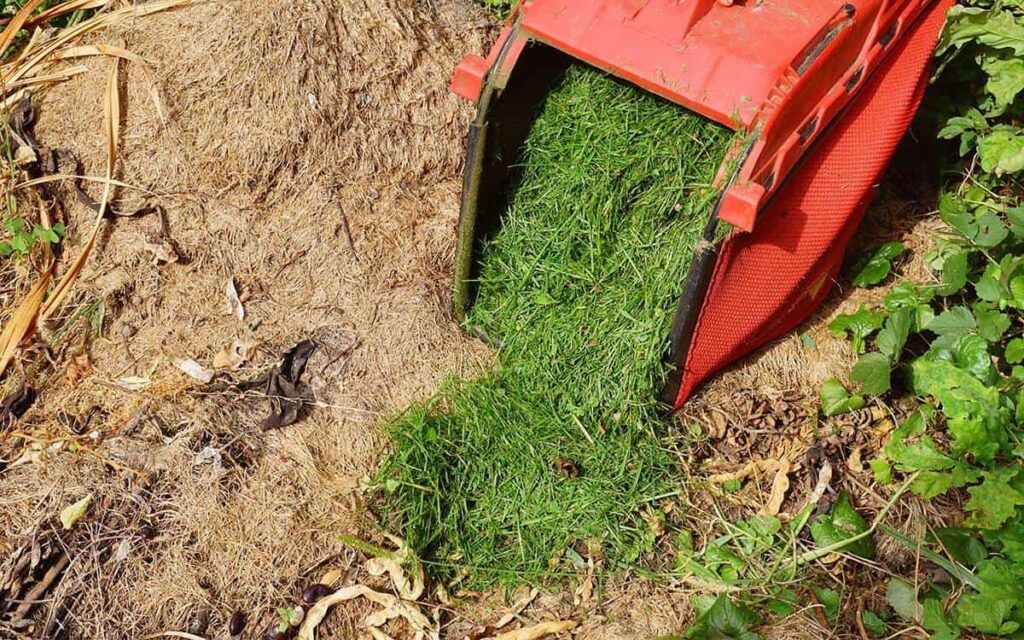
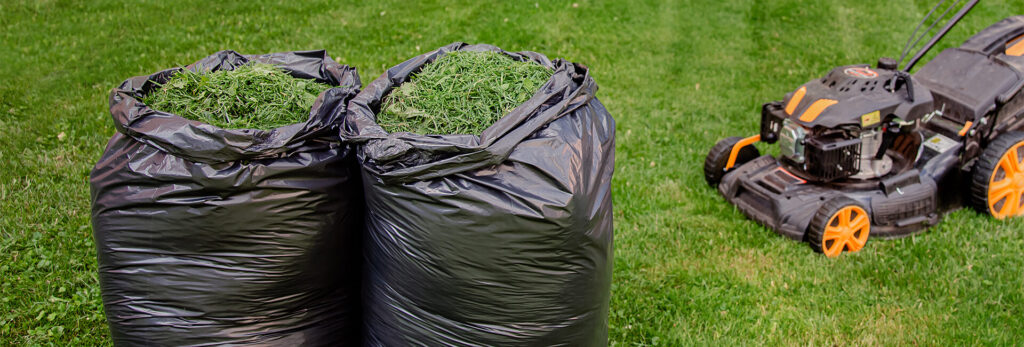
Your own shredded leaves in autumn are the best free mulch available and better than most purchased products, because they break down into exactly the organic matter our soil lacks. Running the mower over a leaf pile takes twenty minutes and replaces a delivery.
Common questions we get about this
Three come up almost every time.
Can I do this myself? Usually part of it. The diagnostic work and the finishing details are where experience shows, and the preparation underneath is where shortcuts cost the most. Most homeowners who do it themselves succeed on the visible work and struggle with base preparation, drainage and timing.
When is the best time? In Central Texas, almost always autumn. Soil is still warm, air has cooled, and anything planted or installed has months to settle before summer stress arrives. Spring works but races the heat.
What does it cost? Any number quoted without seeing the property is a guess, because our two soils, the slope and the access change the work substantially within a few miles. What we can say is that the invisible preparation is where the real cost sits, and where the cheapest bid has usually economized.
Refreshing beds this season?
The right mulch does more for soil than most fertilizer.