
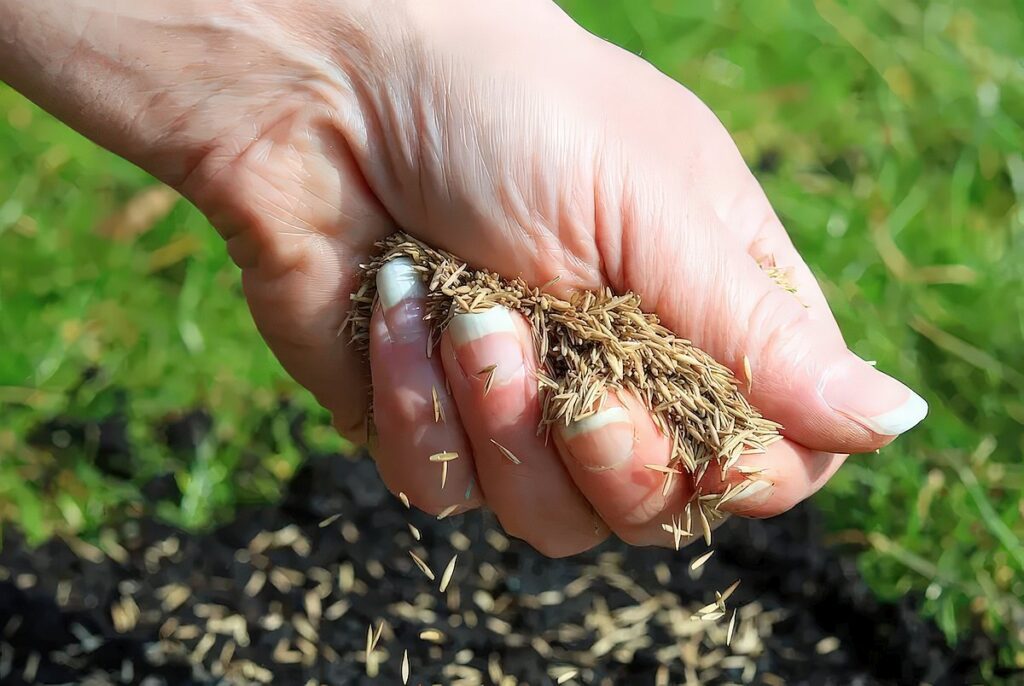
Choosing grass for a Central Texas yard is mostly about how much sun the space gets and how much traffic it takes. Get that match right and maintenance drops permanently. Get it wrong and you spend years fighting the lawn.
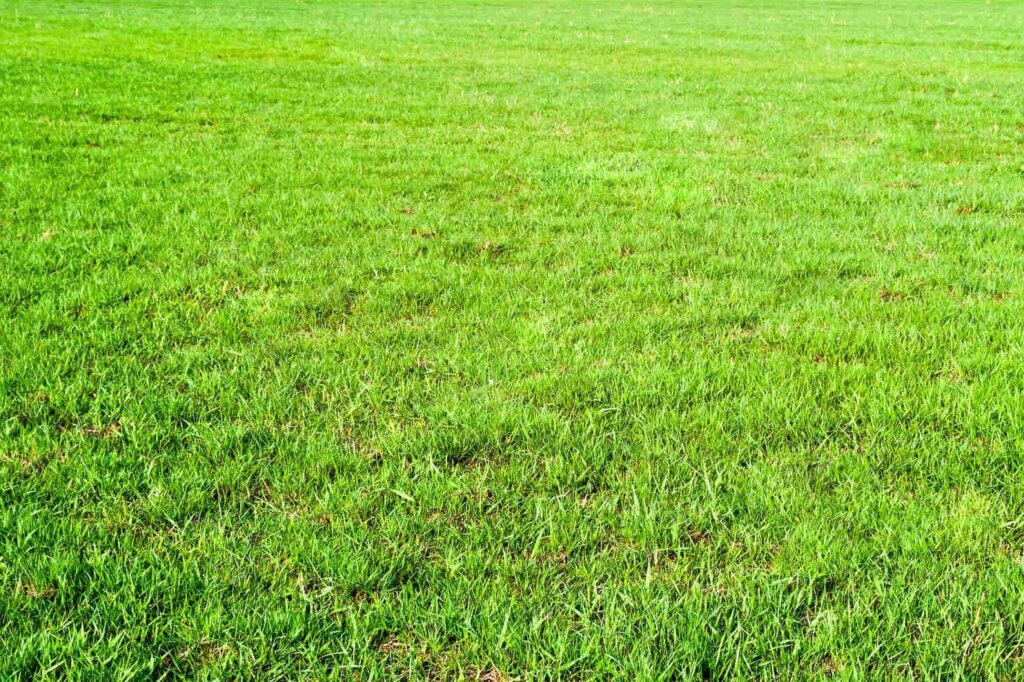
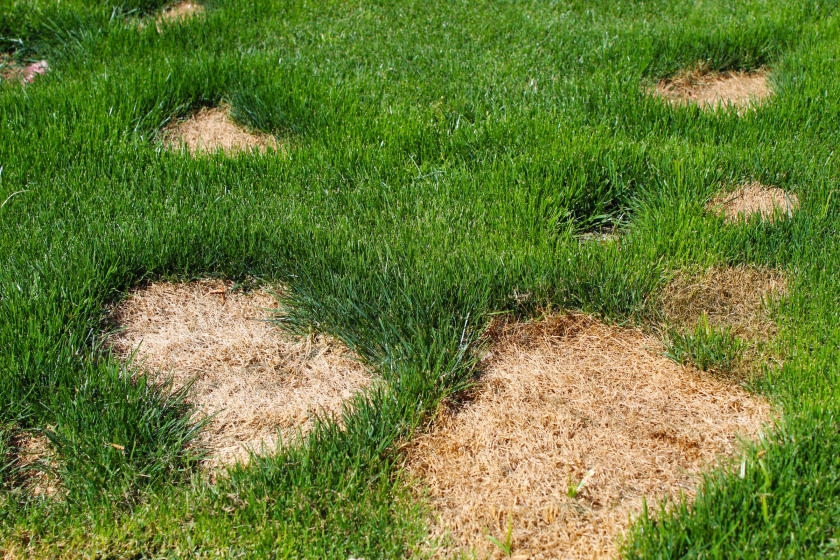
St. Augustine: the shade option
Handles shade better than anything else on this list, which matters under Austin live oaks. Wants a high cut, 3 to 4 inches. Uses more water than the alternatives and is the most susceptible to chinch bugs and take-all root rot.
Rather hand it off? See our lawn care services in Austin, TX: mowing, feeding and weed control on a schedule that fits Austin's watering rules.
Pick it if your yard has real shade. Do not pick it for a full-sun yard just because the neighbors have it.
Bermuda: sun and traffic
The most drought-hardy and traffic-tolerant common choice, and the cheapest to establish from seed. Wants a low cut, 1 to 2 inches, and needs frequent mowing to stay dense.
It will not tolerate shade. Under a canopy it thins to bare dirt no matter what you do. Good for open sunny yards, play areas and dogs.
Zoysia and Buffalo
Zoysia sits between the two: 1.5 to 2.5 inches, moderate shade tolerance, dense enough to crowd out weeds. Slower to establish and more expensive up front, cheaper to maintain after.
Buffalo is the native option and uses the least water of the group. It goes dormant brown during deep drought, which some people find unacceptable and others consider honest. It dislikes heavy traffic and shade.
If you are moving away from turf entirely, our low-water plant guide covers what replaces it.
Water use compared honestly
Ranked from thirstiest to least: St. Augustine, then Zoysia, then Bermuda, then Buffalo. The gap between the ends is substantial, and over an Austin summer it shows on the bill.
That said, water use is not the only cost. Bermuda needs mowing far more often than Zoysia, so what you save on water you may spend on labor or time. Buffalo needs the least of everything but goes dormant brown in deep drought, and that is a look many homeowners and some HOAs will not accept.
Choose for the constraint that actually binds you: the water bill, the mowing hours, or how the yard looks in August.
Changing grass types is a real project
You cannot simply overseed one warm-season grass into another. Converting means removing the existing lawn, preparing the soil, and installing sod, plugs or seed depending on species. Bermuda establishes from seed; St. Augustine and most Zoysia do not and need sod or plugs.
Timing matters as much as method: install when the grass is actively growing so it establishes before stress arrives, which here means late spring through summer.
Before committing, be honest about why the current lawn is failing. If the cause is mowing height, compacted soil or a sprinkler zone that misses half the area, a new species will fail in exactly the same spots.
Not sure what you have or what you need?
Send a photo of your lawn and we will tell you the species and whether it suits the spot.