
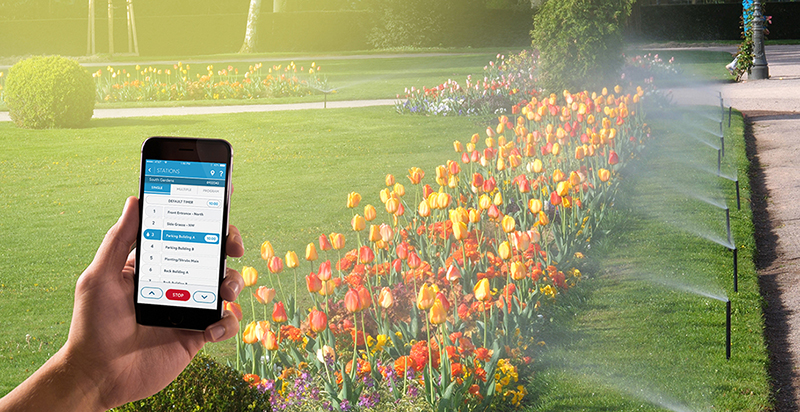
Irrigation winterization advice online is written for places where the ground freezes solid. Central Texas needs something different: less draining, more attention to the few components that actually fail here.

You do not need full blow-out, usually
In climates with deep sustained freezes, systems are blown out with compressed air. Here the ground rarely freezes deep enough to threaten buried lines, so full blow-out is generally unnecessary.
What does freeze is everything above ground, and that is where the money goes. Focus there rather than paying for a service designed for a different climate.
The backflow assembly is the vulnerable part
Exposed, above ground, holds water, and expensive to replace. Insulate it properly with a purpose-made cover or wrapped insulation rated for the job.
Know where the shutoff is before you need it at night in the cold. If a hard freeze is forecast, shut the system down and drain what you can from the assembly.
Reprogram the controller
The most common waste we see all winter is a controller still running a July schedule in December. Dormant lawns need almost nothing, and rainfall does most of the work in the cool months.
Either shut the program off and water manually when needed, or reduce run times drastically. A rain sensor pays for itself over a winter if you have one and it works. Check it, since sensors fail quietly.
The spring startup matters more
The damage from a freeze usually shows in spring, when the system is turned back on and a cracked assembly or split line starts leaking. Turn the system on slowly, zone by zone, and walk it while it runs.
Look for water where it should not be, heads that do not pop, and a meter that moves with everything off. Finding a leak in March costs far less than discovering it on a July bill. See irrigation service for a startup inspection.
Auditing the system before shutdown
The end of the irrigation season is the best moment to audit, because you are about to stop using it and any repair can be scheduled without urgency.
Run each zone and walk it. Note heads that do not pop fully, arcs spraying pavement, misting rather than droplets, and any dry gaps between heads. Photograph or write it down, because you will not remember in March.
Then check the meter with everything off. Movement means a leak, and finding it now rather than discovering it on a July bill is worth the twenty minutes it takes.
Rain sensors and controller settings
Rain sensors fail quietly. They stop suspending the system and nobody notices until they see sprinklers running in a downpour. Test yours by triggering it manually and confirming the system pauses.
Many controllers have a seasonal adjust or water budget feature that scales all run times by a percentage. Dropping it substantially for winter is faster than reprogramming every zone and easy to reverse in spring.
If the controller has a battery backup, replace it now. A dead backup battery means a power interruption wipes the programme, and the system reverts to defaults that may water on days your utility does not permit.
Freeze protection specifics
The backflow assembly is the priority: insulated cover, or wrapped insulation rated for outdoor use, fitted before the first freeze rather than during it.
Isolate and drain the assembly if a hard freeze is forecast. Know where the isolation valves are, and open the test cocks slightly to let trapped water escape and give expanding ice somewhere to go.
Above-ground pipe and any exposed valve boxes benefit from insulation too. Buried lines in Central Texas are generally deep enough not to be at risk, which is why the full blow-out used in colder states is usually unnecessary here.
Common questions we get about this
Three come up almost every time.
Can I do this myself? Usually part of it. The diagnostic work and the finishing details are where experience shows, and the preparation underneath is where shortcuts cost the most. Most homeowners who do it themselves succeed on the visible work and struggle with base preparation, drainage and timing.
When is the best time? In Central Texas, almost always autumn. Soil is still warm, air has cooled, and anything planted or installed has months to settle before summer stress arrives. Spring works but races the heat.
What does it cost? Any number quoted without seeing the property is a guess, because our two soils, the slope and the access change the work substantially within a few miles. What we can say is that the invisible preparation is where the real cost sits, and where the cheapest bid has usually economized.
Freeze coming?
The backflow assembly is what breaks. It takes ten minutes to protect.