

Georgetown has something newer suburbs do not: mature trees and landscapes that have been in place for decades. That is an asset, and it changes the work from installing to renovating.
The canopy sets the rules
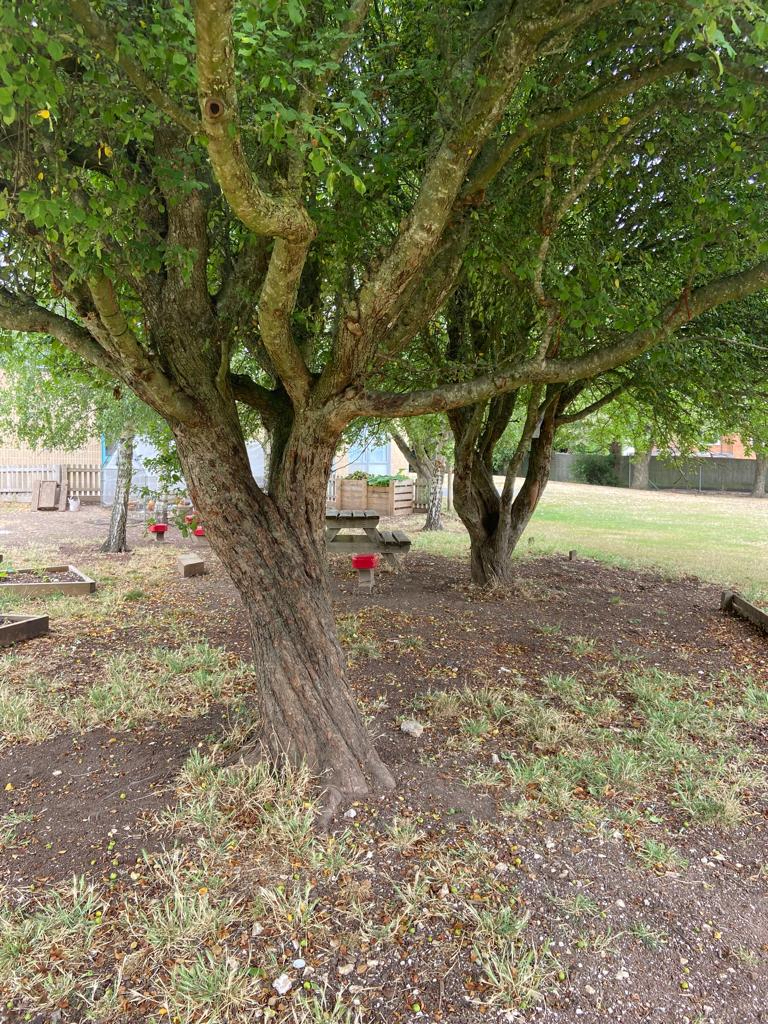
Under a mature live oak you have deep shade and aggressive root competition. Turf will not hold there regardless of species or effort, and forcing it wastes years.
Planning something like this for your own yard? Our team does Austin landscape design, from the first sketch to the last plant.
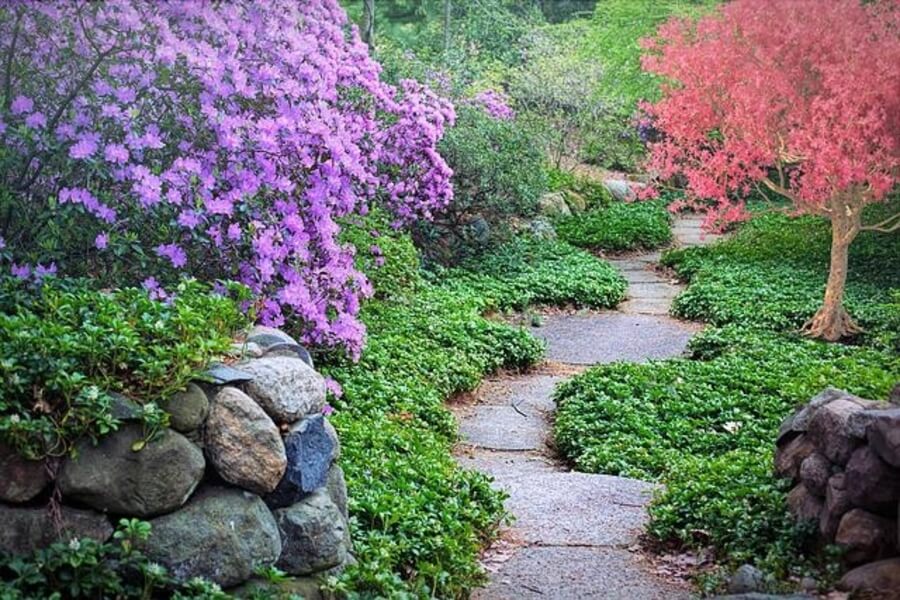
Accept the condition instead: shade-tolerant ground cover, a mulched bed, or a seating area under the canopy. That also stops you irrigating an area that will never grow grass. See shade-tolerant options.
Protect root zones during any work
The most damaging thing to a mature tree is not pruning, it is what happens at ground level. Compaction from equipment, trenching through roots, and raising soil grade over the root zone all kill slowly, with symptoms appearing years later.
Keep machinery off root zones, hand-dig near large trees, and never pile soil against a trunk. If irrigation or drainage work is planned near a significant tree, route around it.
Renovating tired beds
Established landscapes usually have beds that have become overgrown, with three original plants now the size of six and everything else lost underneath.
The approach that works: identify what is worth keeping, hard prune or remove the rest, rebuild the soil, and replant with correct spacing for mature size. Renovation over several seasons preserves what is good; clearing everything and starting over loses decades of growth.
Oak wilt is the real risk here
Georgetown has the mature live oaks that oak wilt targets, and the disease spreads through connected root systems as well as through pruning wounds.
Never prune oaks February through June. Paint every wound immediately, any month. If a red oak dies, remove it promptly rather than leaving it as a spore source. See tree care and our Georgetown page.
Assessing what is worth keeping
In an older landscape, some plants are assets and some are liabilities that have simply been there a long time. The assessment is worth doing deliberately rather than by default.
Keep: healthy mature trees, established natives that have proven themselves, structural elements in good condition. Remove: anything chronically diseased, plants outgrowing their space by a wide margin, and species that were a poor fit from the start and have needed constant intervention.
The middle category, overgrown but healthy shrubs, often responds to hard renovation pruning over two or three seasons rather than removal. That preserves decades of root establishment you cannot buy back.
Irrigation in an established landscape
Older systems were frequently designed for a landscape that no longer exists. Beds have grown, trees have matured, and heads that once cleared a small shrub now spray into a wall of foliage.
An audit before any redesign is worthwhile: run each zone, walk it, and note what is watering plants versus fence, pavement or the interior of a shrub. Often the fix is head relocation and nozzle changes rather than a new system.
Where the canopy has closed in, whole zones may now be watering shade that needs far less than the design assumed. Reprogramming those zones alone can produce a significant reduction with no capital cost.
Protecting the trees during any work
The most valuable thing on an established Georgetown lot is usually the canopy, and it is the easiest thing to damage during renovation.
Keep machinery off root zones, which extend well beyond the canopy edge. Hand dig near significant trees. Never raise the soil grade over a root zone, since burying roots suffocates them slowly and the tree declines years later with no obvious cause.
If irrigation or drainage trenching is planned, route it around trees rather than through. Losing a mature live oak to save fifteen feet of trenching is the worst trade available on a property like this, and it happens routinely.
Common questions we get about this
Three come up almost every time.
Can I do this myself? Usually part of it. The diagnostic work and the finishing details are where experience shows, and the preparation underneath is where shortcuts cost the most. Most homeowners who do it themselves succeed on the visible work and struggle with base preparation, drainage and timing.
When is the best time? In Central Texas, almost always autumn. Soil is still warm, air has cooled, and anything planted or installed has months to settle before summer stress arrives. Spring works but races the heat.
What does it cost? Any number quoted without seeing the property is a guess, because our two soils, the slope and the access change the work substantially within a few miles. What we can say is that the invisible preparation is where the real cost sits, and where the cheapest bid has usually economized.
Mature yard needing renovation?
Established landscapes are worth restoring, not replacing.