30 Low-Maintenance Plants for Vibrant Xeriscaping in Texas"
BY DANI – APRIL 16, 2024
Low-Maintenance Plants In Texas
Table of Contents
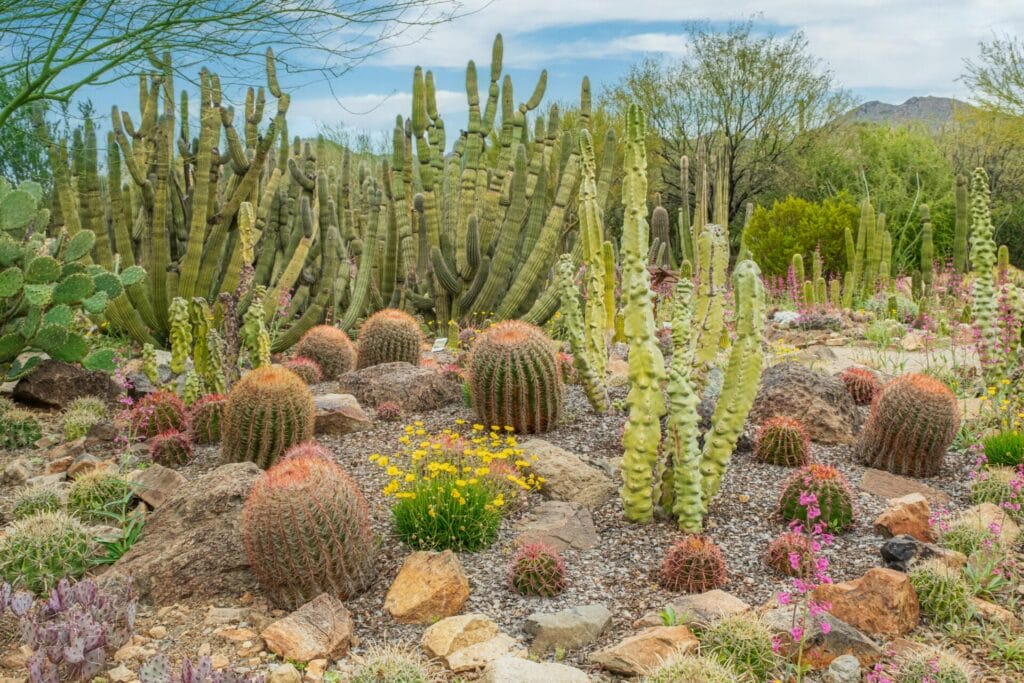
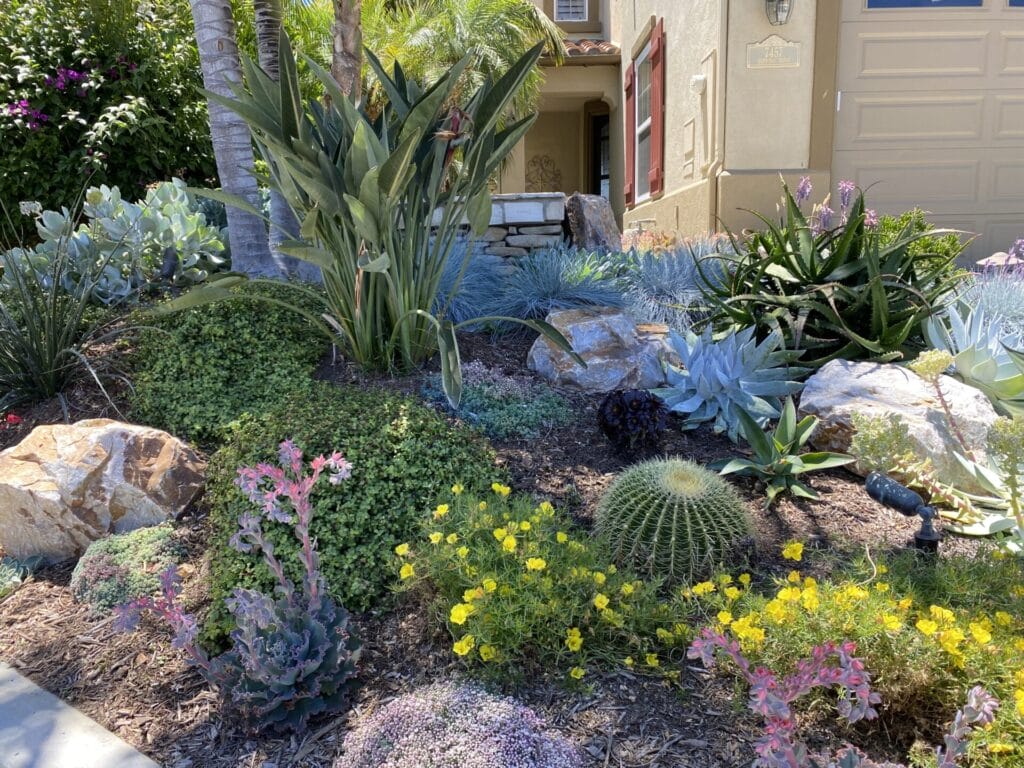
Welcome to our comprehensive guide on creating a stunning xeriscape garden in Texas! Xeriscaping, a landscaping method that emphasizes water conservation, is especially relevant in Texas due to its arid climate. By incorporating low-maintenance plants into your xeriscape design, you can achieve a beautiful landscape while conserving water and reducing maintenance efforts. In this guide, we’ll introduce you to 30 popular plants that thrive in Texas xeriscapes, allowing you to enjoy a vibrant garden with minimal upkeep
Low Maintenance Plants
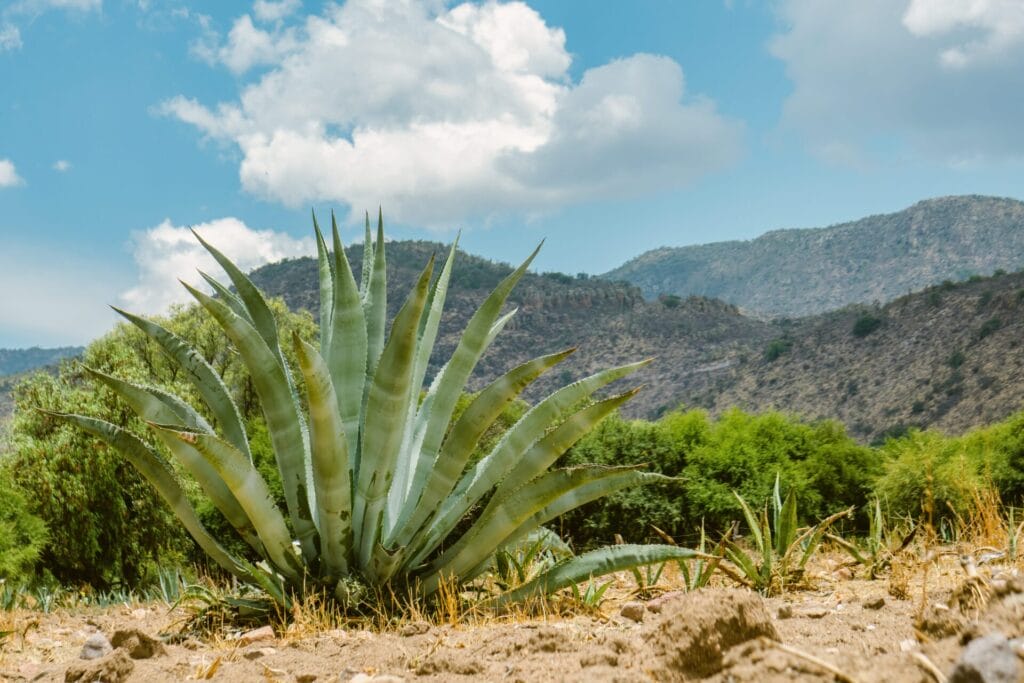
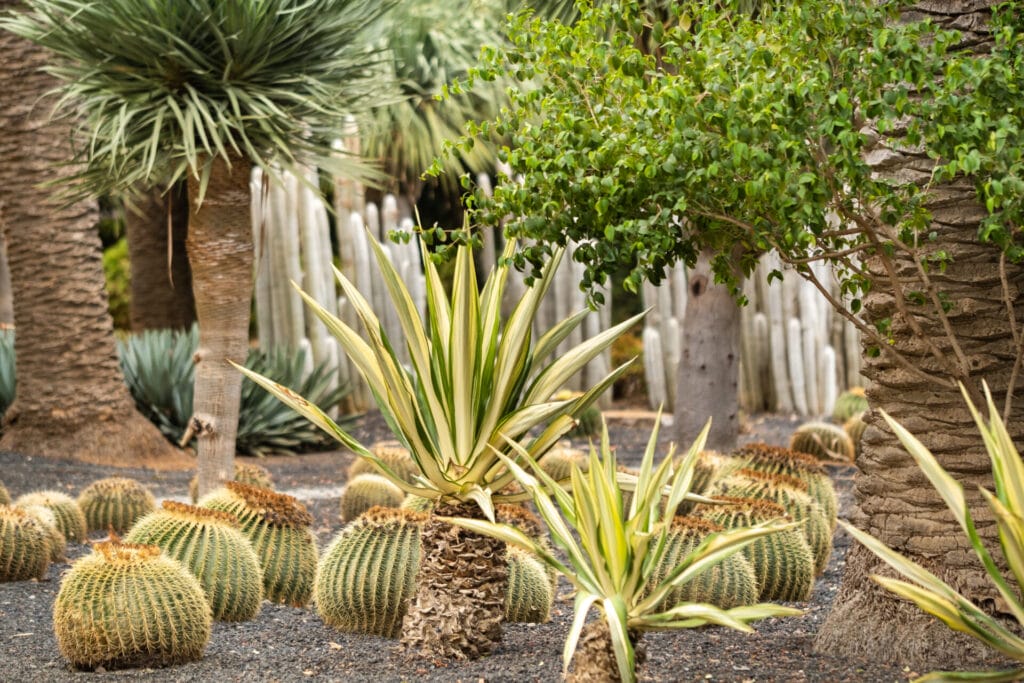
1. Agave:
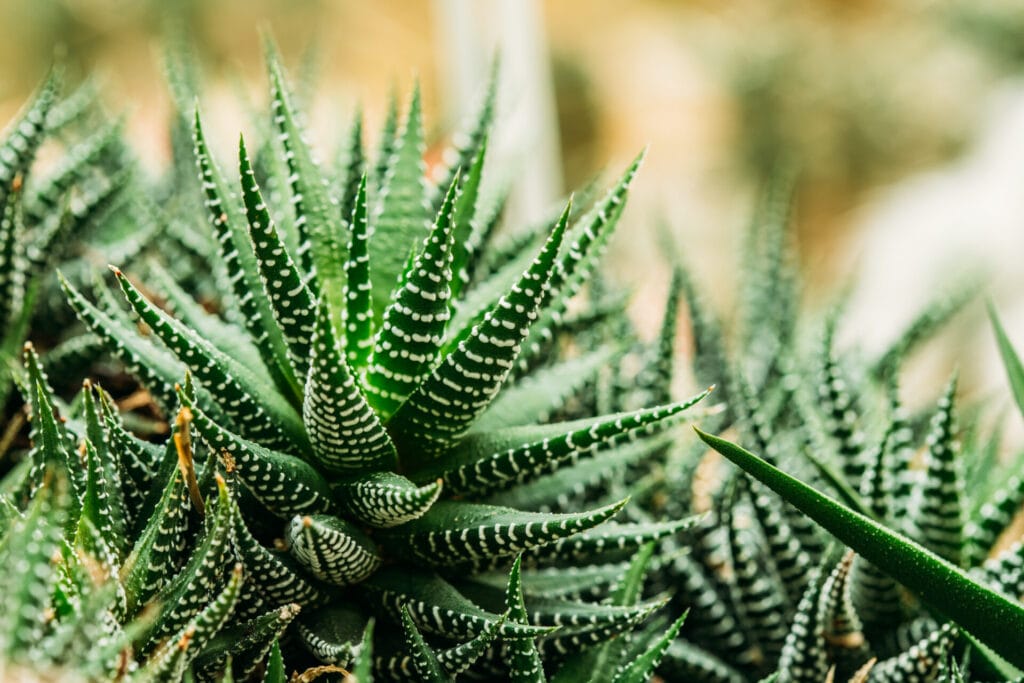
Agaves are iconic succulents known for their striking rosette form and low water requirements. Varieties like Agave americana and Agave parryi thrive in Texas’s hot and dry conditions, making them ideal choices for xeriscaping projects. These plants require little maintenance once established and add a sculptural element to your landscape.
Agave
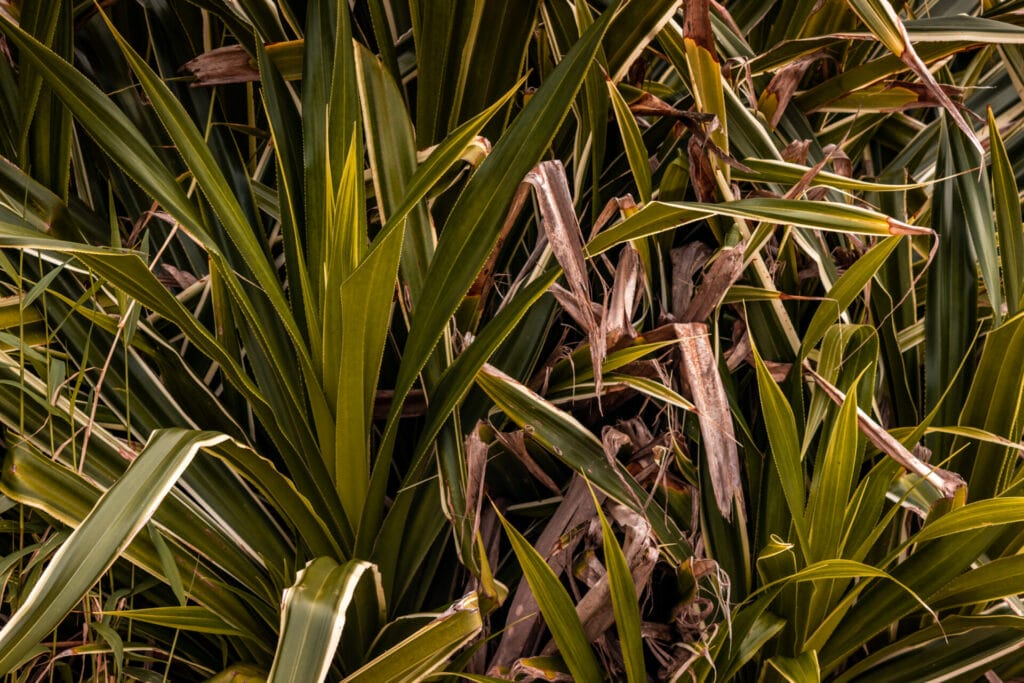
2, Yucca:
Yuccas are tough, drought-tolerant plants that are well-suited to Texas xeriscapes. Their sword-shaped leaves and dramatic flower spikes create visual interest year-round. Yucca filamentosa, commonly known as Adam’s needle, and Yucca rostrata are popular choices for Texas gardens due to their resilience and adaptability.
Yucca
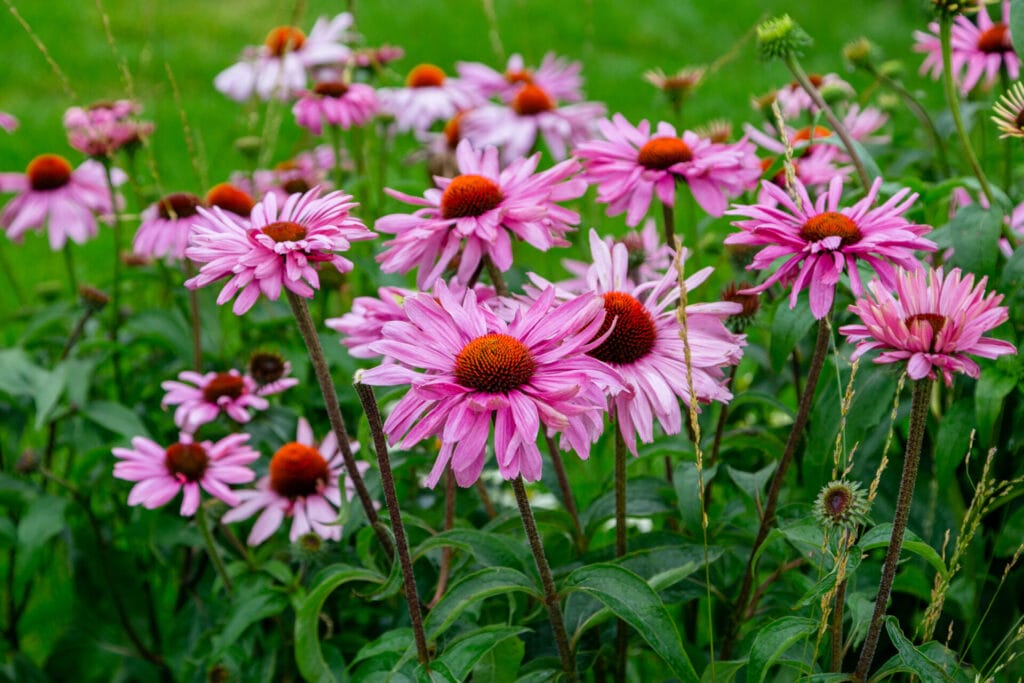
3. Purple Coneflower (Echinacea purpurea):
Purple coneflowers are native perennials that thrive in Texas xeriscapes. These hardy plants produce vibrant purple flowers that attract pollinators like bees and butterflies. Once established, purple coneflowers require minimal watering and maintenance, making them a valuable addition to any xeriscape garden.
Purple Coneflower
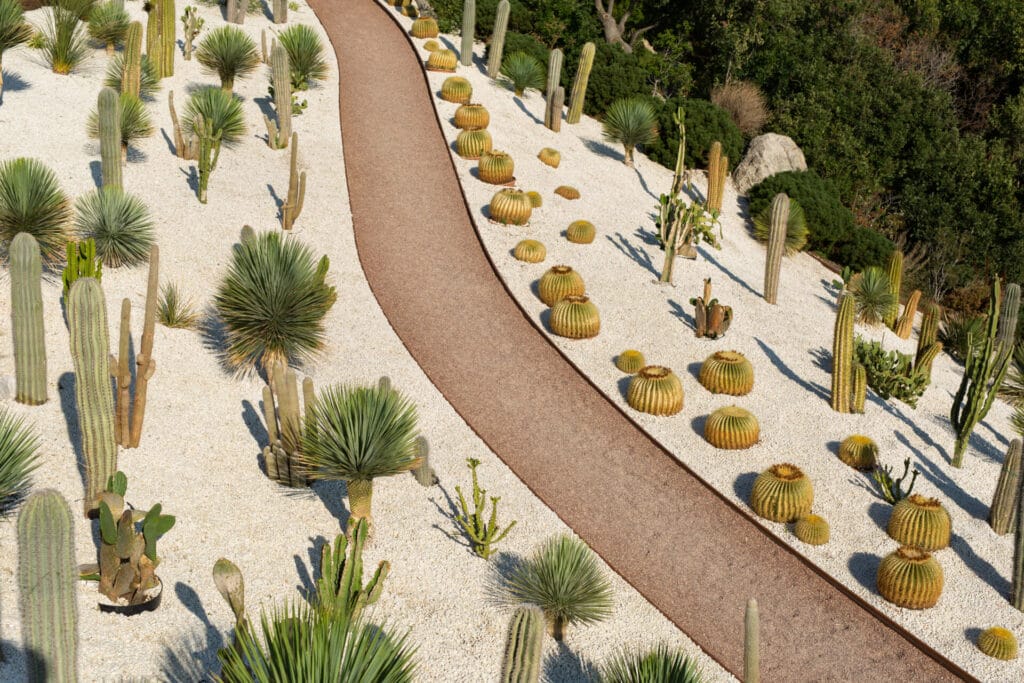
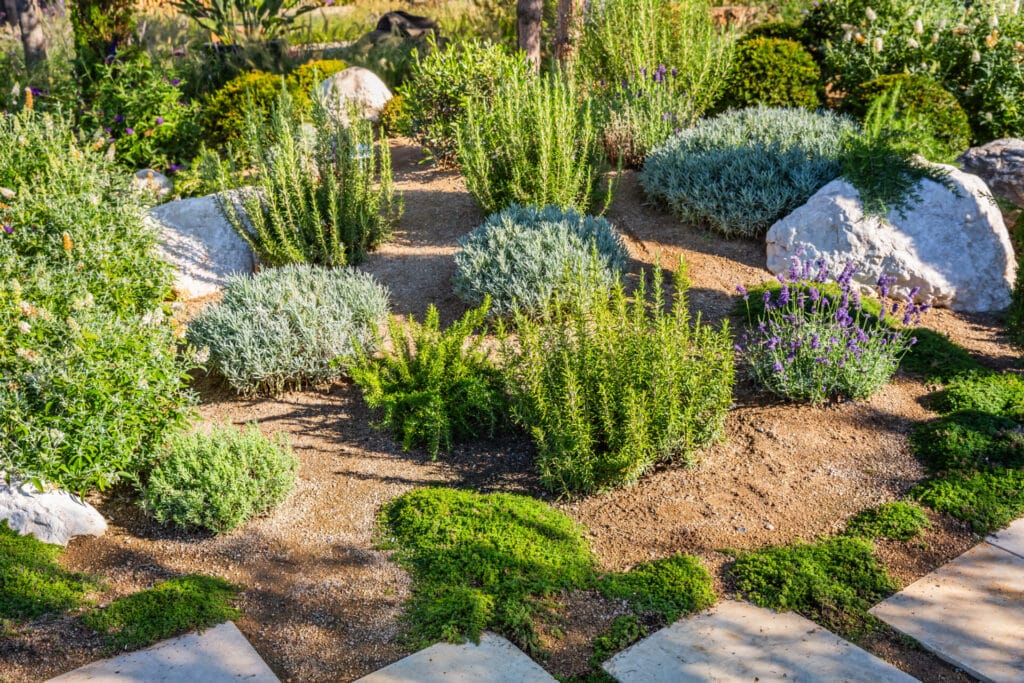
Xeriscaped Landscape
4. Blackfoot Daisy (Melampodium leucanthum):
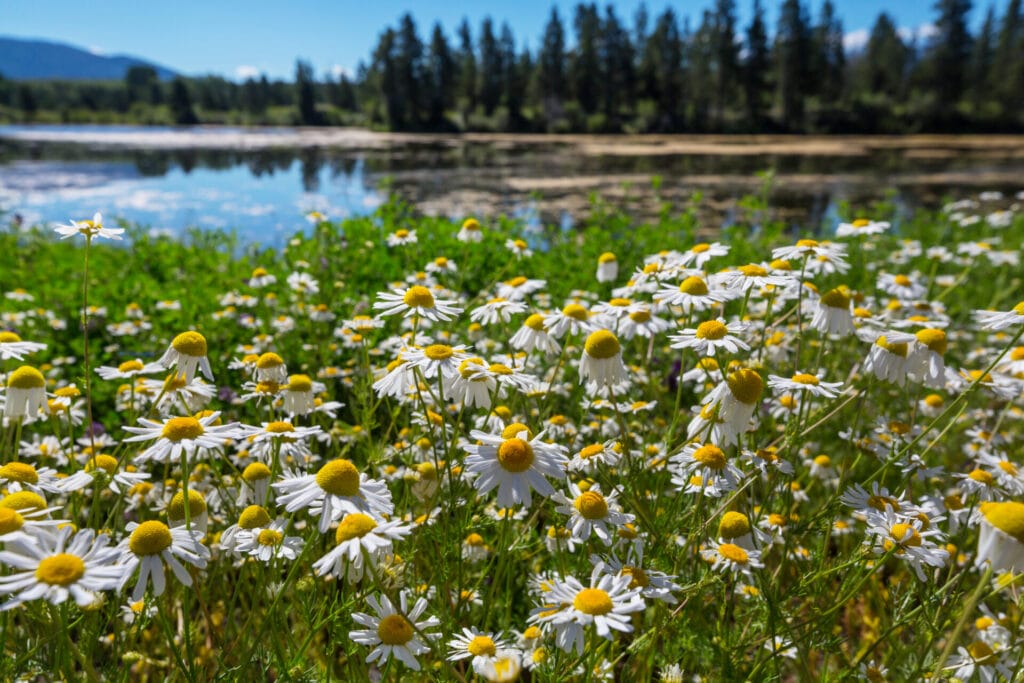
Blackfoot daisies are native Texas plants prized for their profusion of small, daisy-like flowers and compact growth habit. These drought-tolerant perennials thrive in full sun and well-drained soil, making them an excellent choice for xeriscaping projects. Blackfoot daisies require little water once established and bloom reliably throughout the growing season.
Blackfoot Daisy
5. Texas Sage (Leucophyllum frutescens):
Texas sage, also known as cenizo, is a popular shrub native to the southwestern United States, including Texas. This drought-tolerant plant features silvery-gray foliage and produces purple, pink, or white flowers after rainfall. Texas sage is highly adaptable and requires minimal water once established, making it an excellent choice for xeriscapes in Texas.
Texas Sage
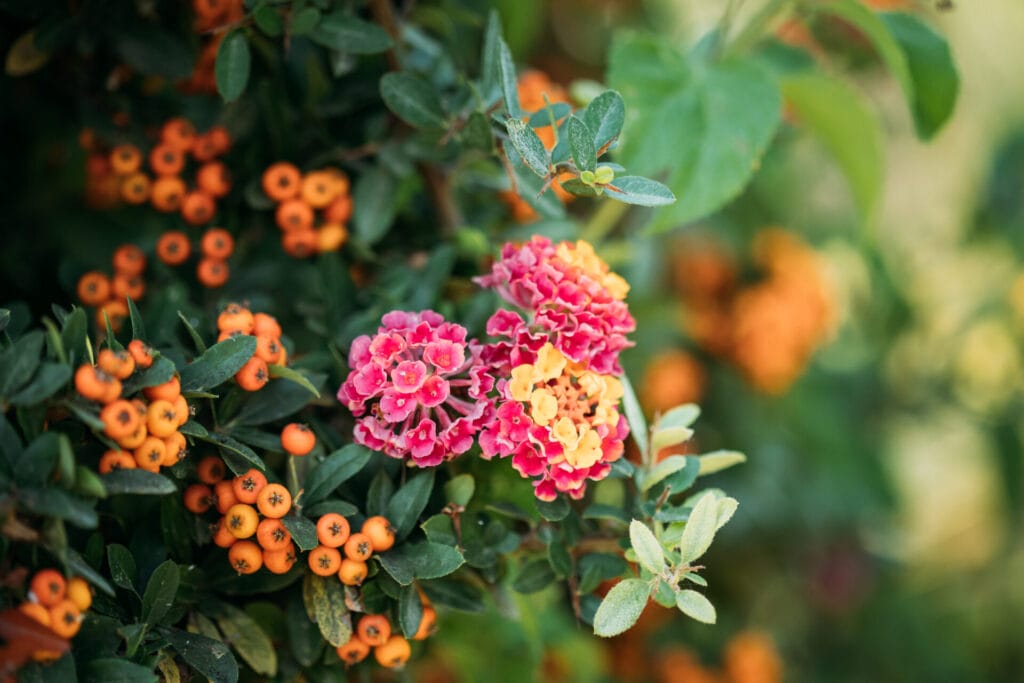
6. Lantana (Lantana camara):
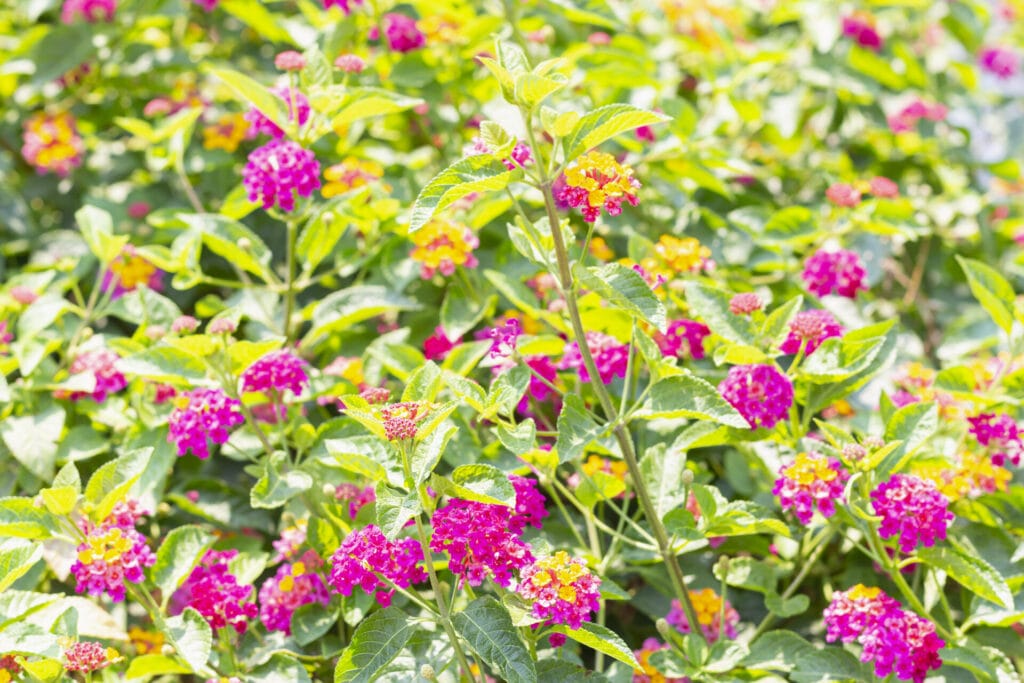
Lantana is a colorful and versatile plant that thrives in Texas xeriscapes. This hardy perennial is prized for its clusters of vibrant flowers, which attract butterflies and hummingbirds. Lantana is highly drought-tolerant and thrives in hot, sunny conditions, making it an ideal choice for low-maintenance landscapes.
Lantana
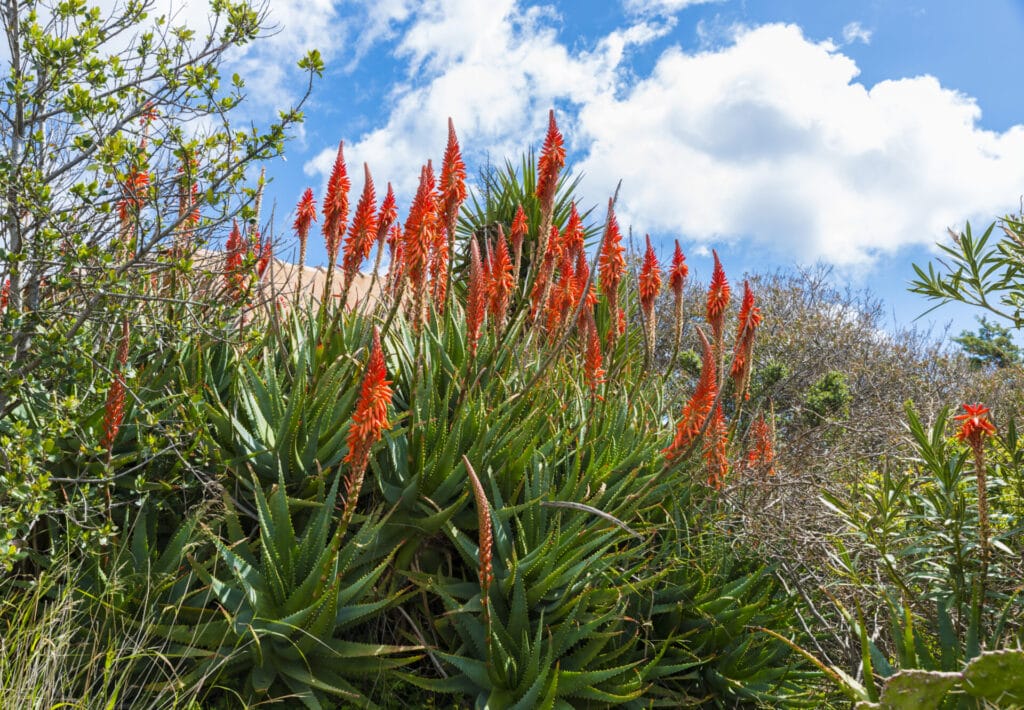
7. Red Yucca (Hesperaloe parviflora):
Red yucca is a striking succulent native to Texas and northern Mexico. Despite its name, red yucca is not a true yucca but belongs to the Agavaceae family. This drought-tolerant plant produces tall spikes of coral-red flowers that attract hummingbirds, making it a popular choice for xeriscapes and wildlife gardens.
Red Yucca
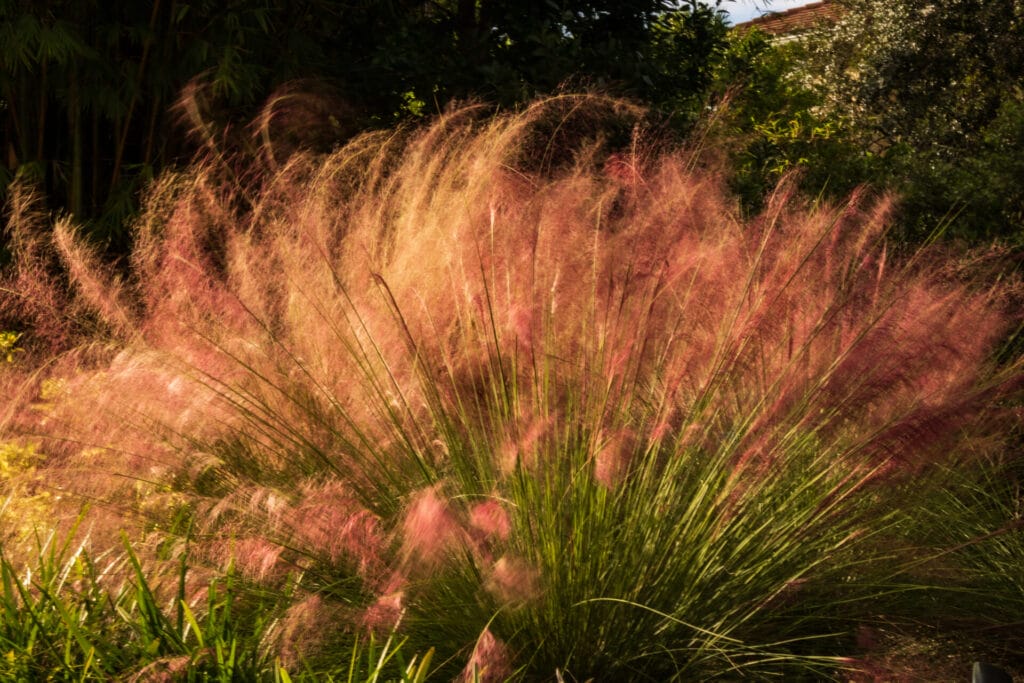
8. Mexican Feather Grass (Nassella tenuissima):
Mexican feather grass is an ornamental grass prized for its fine texture and graceful, arching habit. This drought-tolerant grass forms clumps of slender, green foliage that sway gracefully in the breeze. Mexican feather grass is well-suited to xeriscapes and requires minimal water once established, making it a low-maintenance option for Texas gardens.
Mexican Feather Grass
Xeriscaped Landscape
9, Desert Marigold (Baileya multiradiata):
Desert marigold is a cheerful wildflower native to the southwestern United States, including Texas. This drought-tolerant perennial produces bright yellow flowers that bloom profusely from spring to fall, attracting bees and butterflies to the garden. Desert marigold thrives in full sun and well-drained soil, making it an excellent choice for xeriscapes.
Desert Marigold
10. Damianita (Chrysactinia mexicana):
Damianita is a compact, evergreen shrub native to Texas and northern Mexico. This drought-tolerant plant features aromatic foliage and produces clusters of yellow, daisy-like flowers throughout the growing season. Damianita is highly adaptable and thrives in hot, sunny conditions, making it an excellent choice for xeriscapes and rock gardens.
Woolly Stemodia
11. Woolly Stemodia (Stemodia lanata):
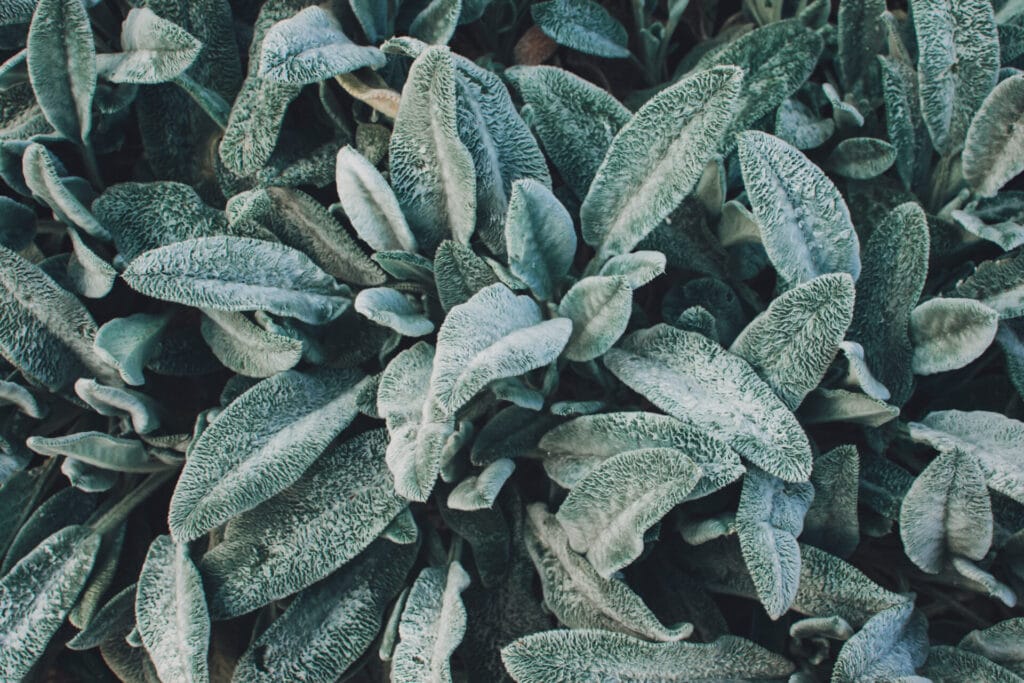
Woolly stemodia is a low-growing perennial native to Texas and other parts of the southern United States. This drought-tolerant plant forms dense mats of silvery-gray foliage and produces small, trumpet-shaped flowers that attract butterflies. Woolly stemodia is an excellent ground cover for xeriscapes and requires minimal water once established.
Woolly Stemodia
12. Jerusalem Sage (Phlomis fruticosa):
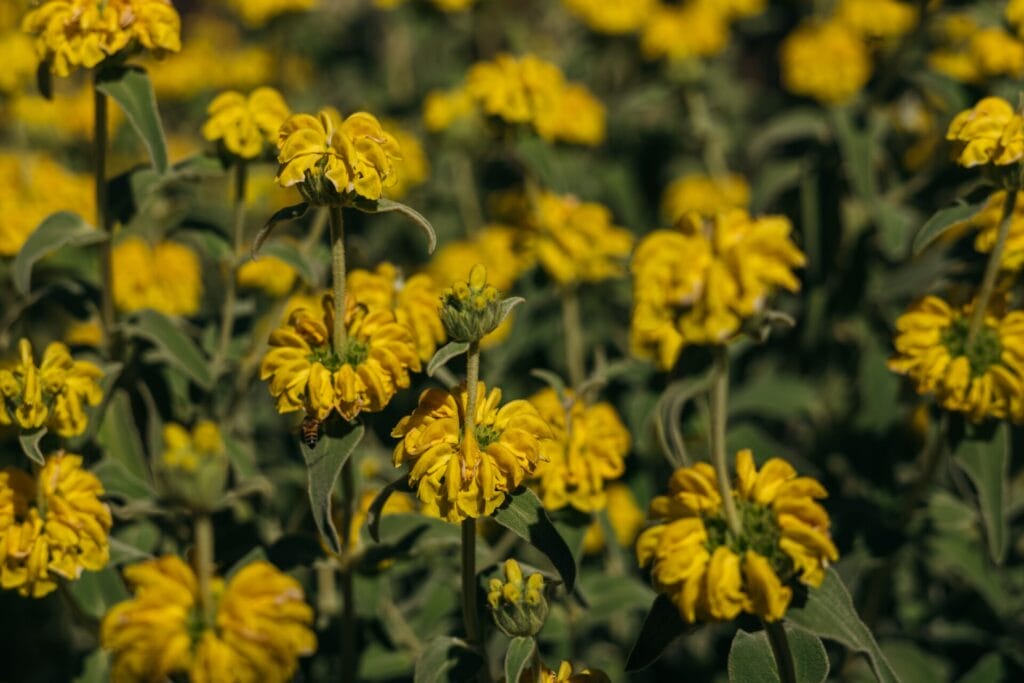
Jerusalem sage is a drought-tolerant shrub native to the Mediterranean region. This hardy plant features aromatic, gray-green foliage and produces clusters of yellow flowers in late spring. Jerusalem sage thrives in hot, dry conditions and is well-suited to Texas xeriscapes, where it adds texture and color to the landscape.
Jerusalem Sage
13. Autumn Sage (Salvia greggii):
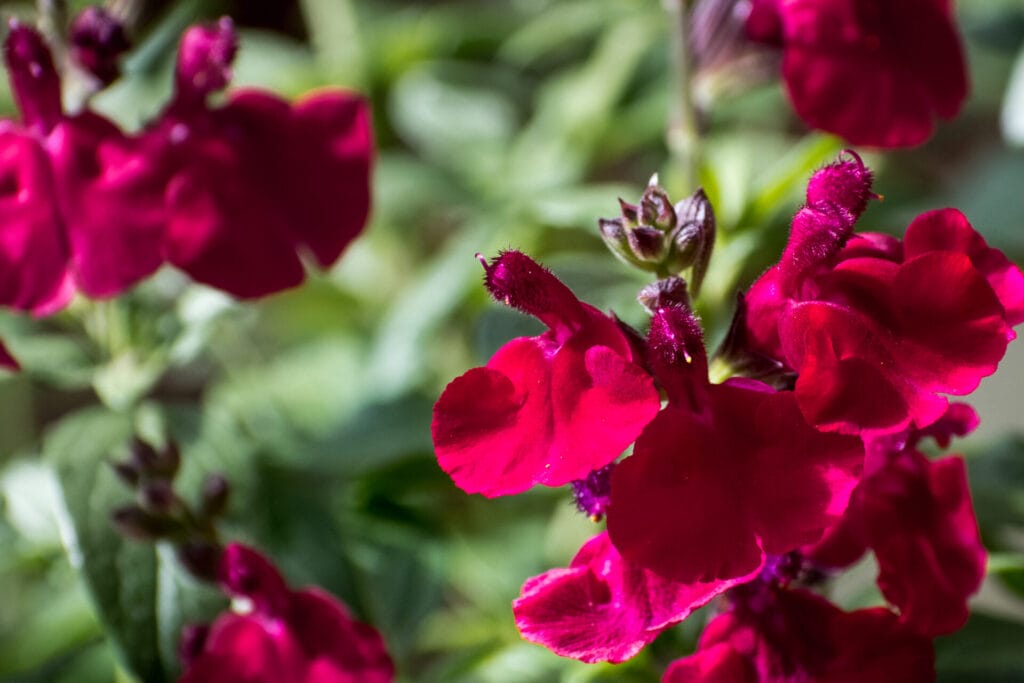
Autumn sage, also known as cherry sage, is a popular perennial native to Texas and northern Mexico. This drought-tolerant plant produces spikes of tubular flowers in shades of red, pink, purple, or white, which attract hummingbirds and butterflies. Autumn sage is highly adaptable and thrives in hot, sunny conditions, making it an excellent choice for xeriscapes.
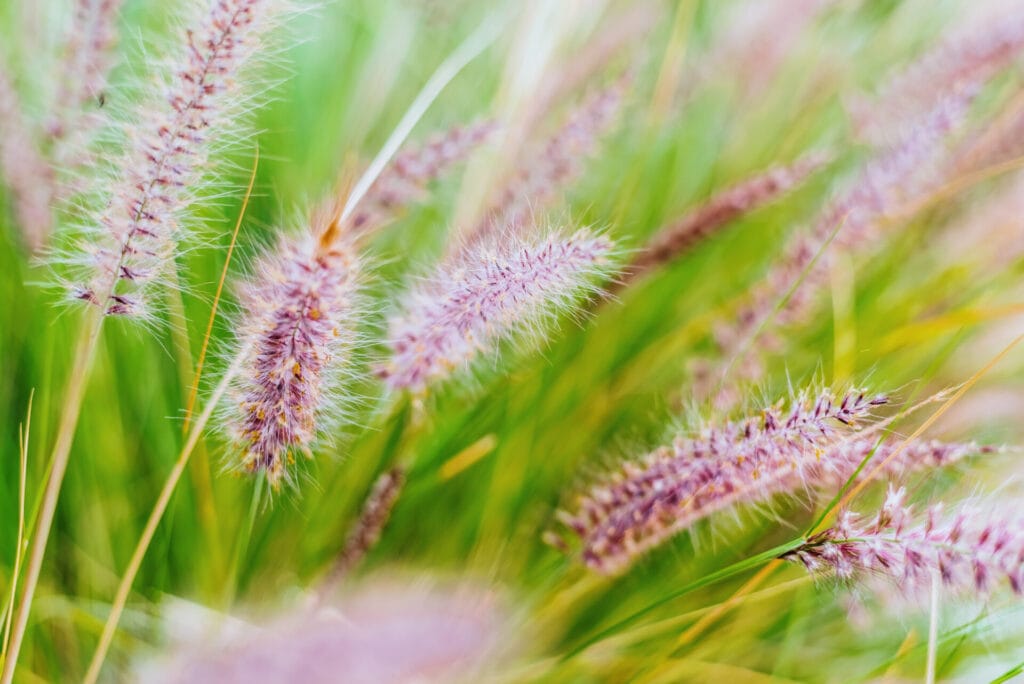
Purple fountain grass is a showy ornamental grass prized for its arching foliage and striking burgundy-purple color. This drought-tolerant grass forms graceful clumps that add texture and movement to the garden. Purple fountain grass is well-suited to xeriscapes and requires minimal water once established, making it a popular choice for Texas landscapes.
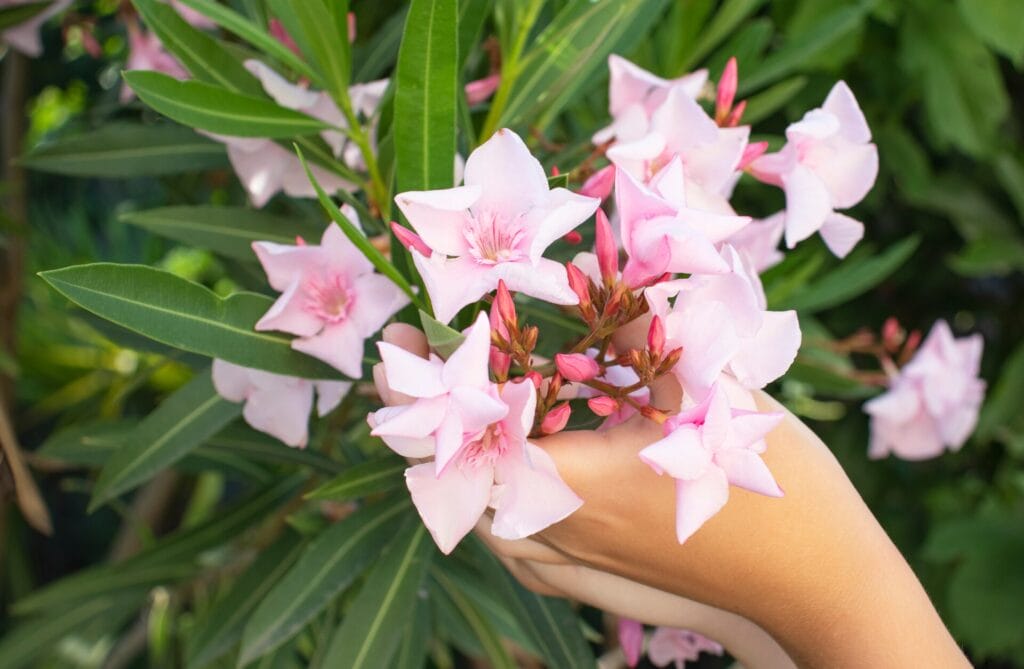
Desert willow is a small tree native to the southwestern United States, including Texas. This drought-tolerant tree features graceful, arching branches and produces trumpet-shaped flowers in shades of pink, purple, or white. Desert willow is highly adaptable and thrives in hot, dry conditions, making it an excellent choice for xeriscapes and native gardens.
Desert Willow
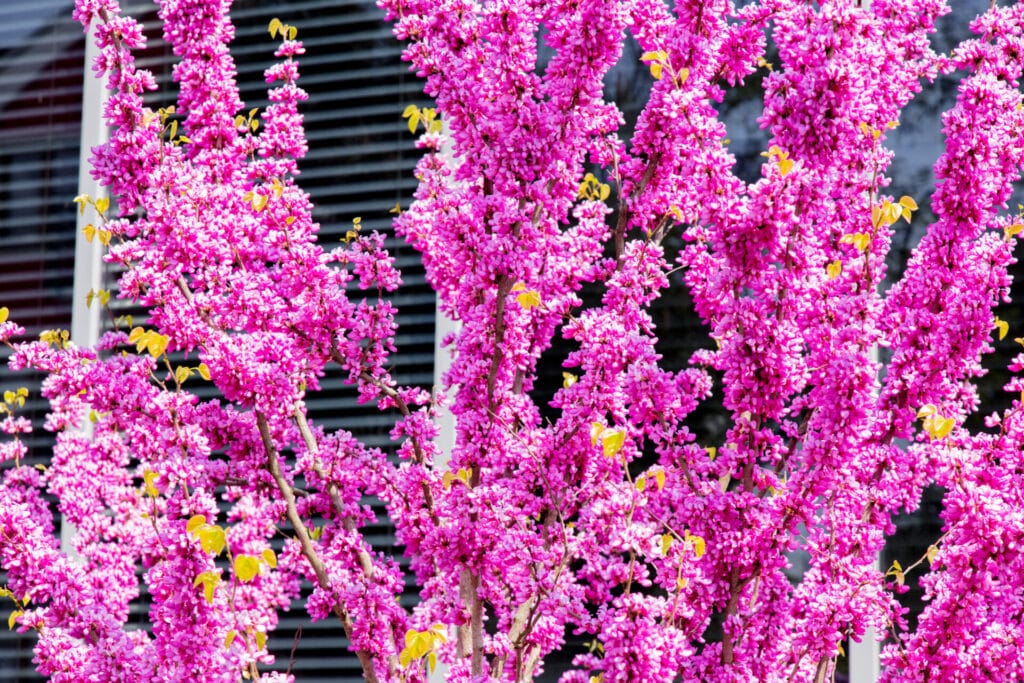
16. Texas Redbud (Cercis canadensis var. texensis):
Texas redbud is a small tree native to Texas and adjacent regions. This drought-tolerant tree features heart-shaped leaves and produces clusters of pink or lavender flowers in early spring. Texas redbud is highly adaptable and thrives in a variety of soil types, making it an excellent choice for xeriscapes and native landscapes.
Texas Redbud
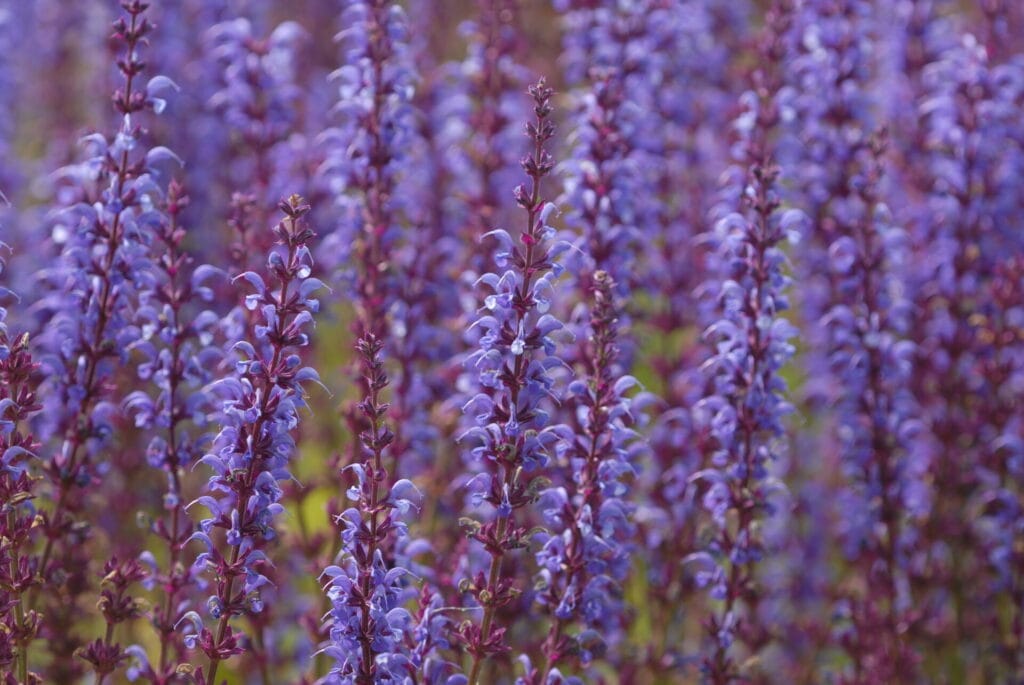
17. Mexican Bush Sage (Salvia leucantha):
Mexican bush sage is a drought-tolerant perennial native to Mexico and Central America. This versatile plant features velvety gray-green foliage and produces spikes of purple or white flowers in late summer and fall. Mexican bush sage is highly attractive to pollinators like bees and butterflies and requires minimal water once established, making it an excellent choice for xeriscapes.
Mexican Bush Sage
18. Hesperaloe (Hesperaloe spp.):
Hesperaloe is a genus of drought-tolerant plants native to Texas and adjacent regions. These succulent perennials are prized for their graceful, arching foliage and tall spikes of tubular flowers. Hesperaloe species like Hesperaloe parviflora and Hesperaloe funifera are well-suited to xeriscapes and add beauty and texture to the landscape.
Hesperaloe
Backyard with drought resistant plants
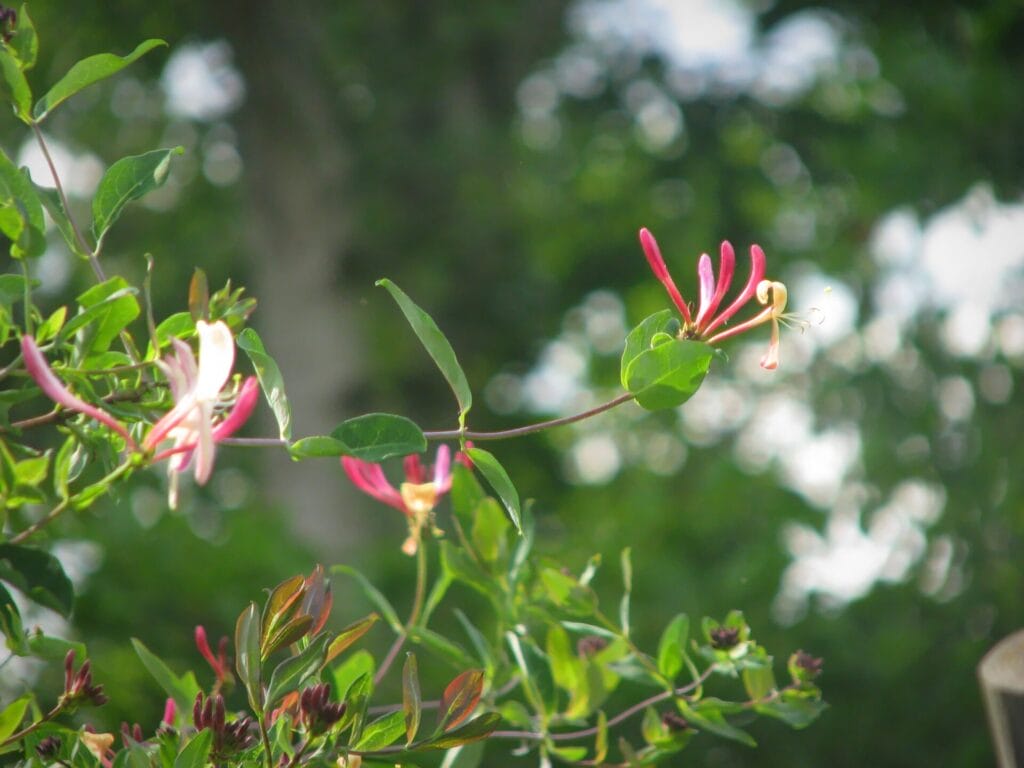
19. Mexican Honeysuckle (Justicia spicigera):
Mexican honeysuckle is a drought-tolerant shrub native to Mexico and Central America. This versatile plant features tubular orange flowers that attract hummingbirds and butterflies. Mexican honeysuckle thrives in hot, sunny conditions and is well-suited to xeriscapes and wildlife gardens.
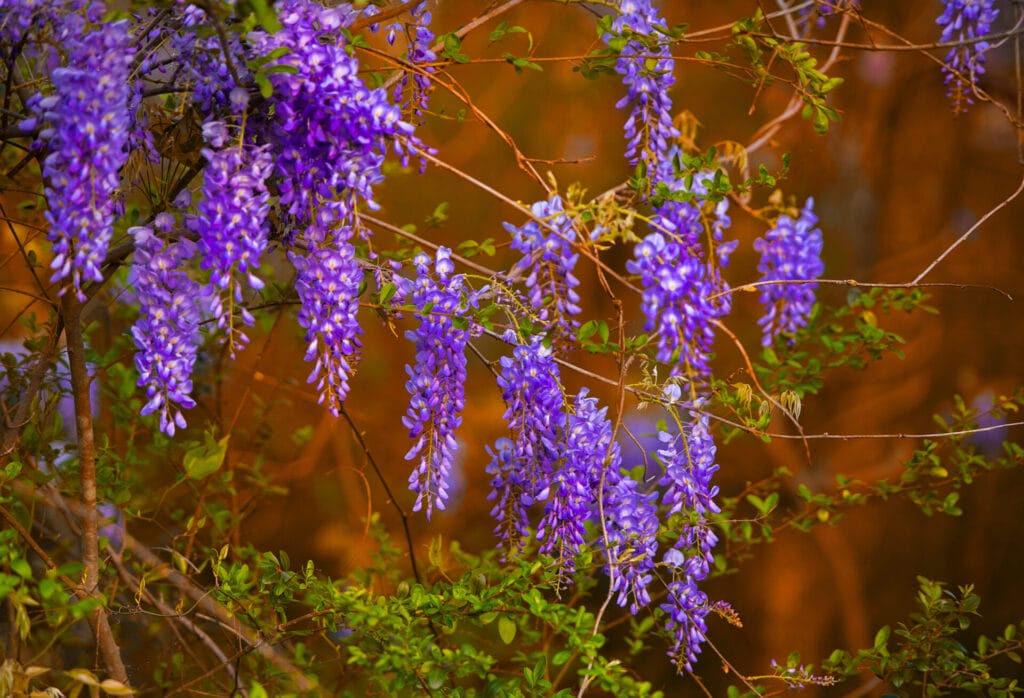
Texas mountain laurel is a drought-tolerant shrub or small tree native to Texas and New Mexico. This evergreen plant features glossy, dark green foliage and produces clusters of fragrant purple flowers in early spring. Texas mountain laurel is highly adaptable and thrives in hot, dry conditions, making it an excellent choice for xeriscapes and native landscapes.
Texas Mountain Laurel
21. Russian Sage (Perovskia atriplicifolia):
Russian sage is a drought-tolerant perennial native to central Asia. This hardy plant features aromatic gray-green foliage and produces spikes of lavender-blue flowers in late summer and fall. Russian sage is highly attractive to pollinators like bees and butterflies and requires minimal water once established, making it an excellent choice for xeriscapes.
Russian Sage
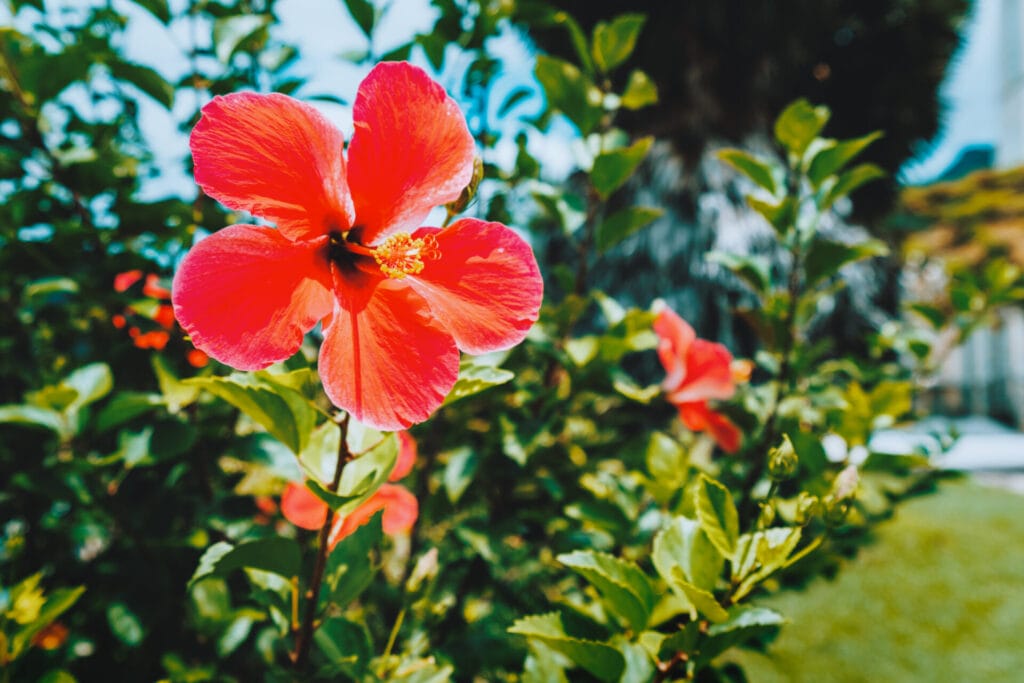
22. Texas Star Hibiscus (Hibiscus coccineus):
Texas star hibiscus is a drought-tolerant perennial native to the southeastern United States, including Texas. This showy plant features large, scarlet-red flowers that attract hummingbirds and butterflies. Texas star hibiscus thrives in moist, well-drained soil and is well-suited to xeriscapes and water-wise gardens.
Texas Star Hibiscus
23. Texas Lantana (Lantana urticoides):
Texas lantana is a drought-tolerant perennial native to Texas and other parts of the southwestern United States. This colorful plant produces clusters of small, brightly colored flowers that attract butterflies and bees. Texas lantana is highly adaptable and thrives in hot, sunny conditions, making it an excellent choice for xeriscapes and wildlife gardens.
Texas Lantana
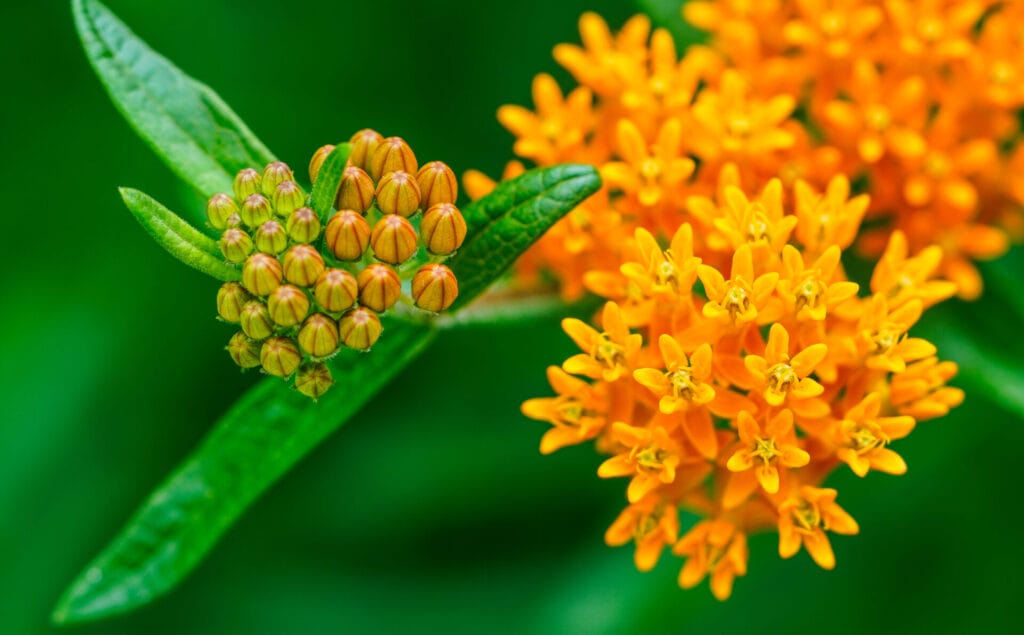
24. Butterfly Weed (Asclepias tuberosa):
Butterfly weed, also known as milkweed, is a drought-tolerant perennial native to North America. This important plant for pollinators features clusters of bright orange flowers that attract butterflies, bees, and other beneficial insects. Butterfly weed thrives in hot, sunny conditions and is well-suited to xeriscapes and wildlife habitats.
Butterfly Weed
25. Firecracker Penstemon (Penstemon eatonii):
Firecracker penstemon is a drought-tolerant perennial native to the southwestern United States. This showy plant produces spikes of tubular red flowers that attract hummingbirds and butterflies. Firecracker penstemon thrives in full sun and well-drained soil and is well-suited to xeriscapes and native gardens.
Firecracker Penstemon
Flowerbed in Xeriscaped Garden
26. Pink Evening Primrose (Oenothera speciosa):
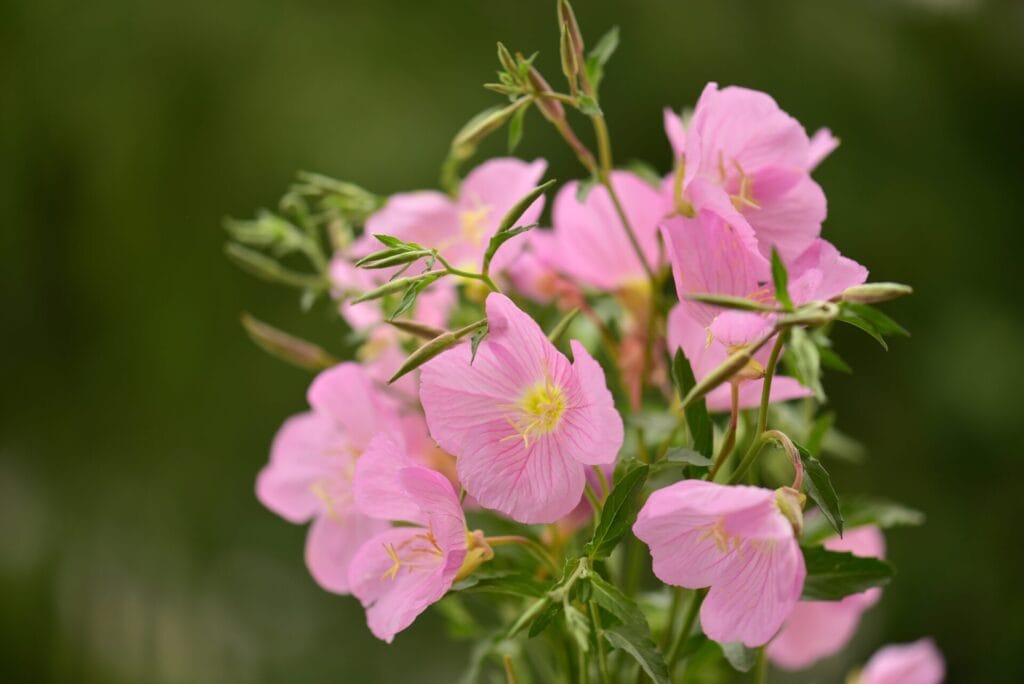
Pink evening primrose is a drought-tolerant perennial native to Texas and other parts of the southern United States. This low-growing plant produces delicate pink flowers that bloom profusely in spring and early summer. Pink evening primrose thrives in hot, sunny conditions and is well-suited to xeriscapes and naturalized landscapes.
Pink Evening Primrose
27. Desert Four O’Clock (Mirabilis multiflora):
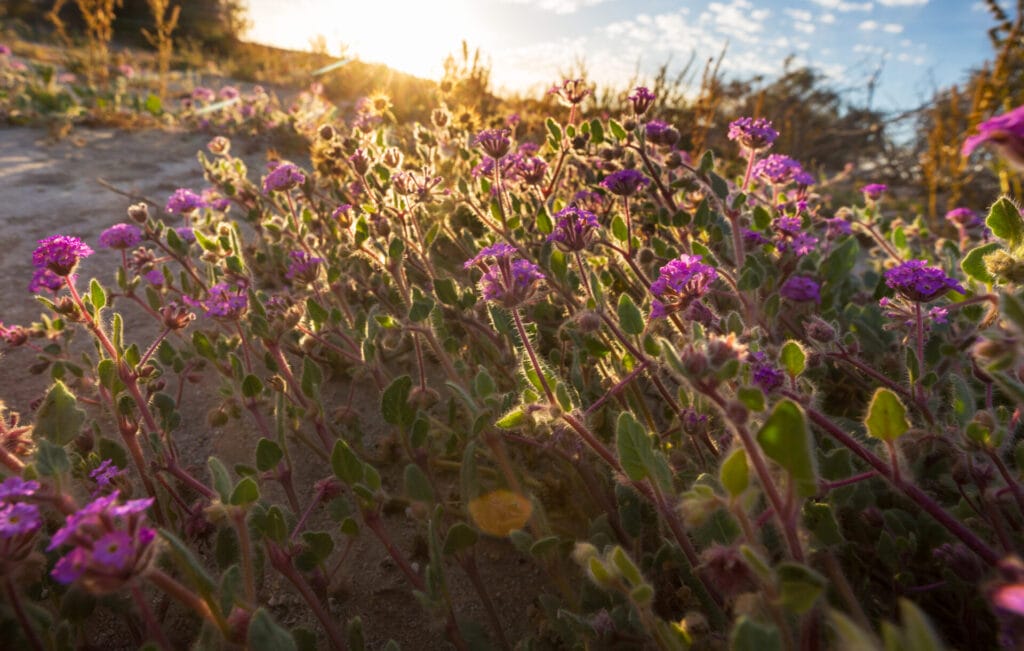
Desert four o’clock is a drought-tolerant perennial native to the southwestern United States. This resilient plant features fleshy, gray-green foliage and produces clusters of pink or white flowers that open in the late afternoon. Desert four o’clock thrives in hot, sunny conditions and is well-suited to xeriscapes and native gardens.
Desert Four O'Clock
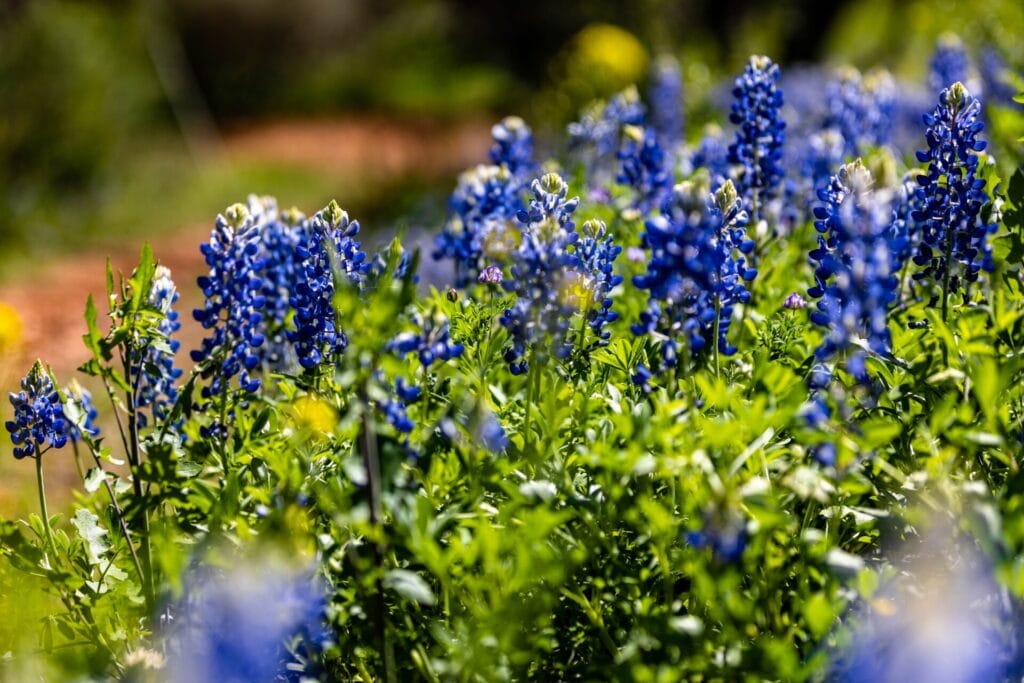
28. Texas Bluebonnet (Lupinus texensis):
Texas bluebonnet is an iconic wildflower native to Texas and other parts of the southwestern United States. This drought-tolerant plant features spikes of blue flowers that bloom in spring, carpeting fields and roadsides with color. Texas bluebonnet thrives in well-drained soil and is well-suited to xeriscapes and wildflower meadows.
Texas Bluebonnet
29.Mexican Hat (Ratibida columnifera):
Mexican hat is a drought-tolerant wildflower native to the central and southern United States, including Texas. This resilient plant features distinctive flowers with drooping, red-brown petals and a raised center resembling a sombrero. Mexican hat thrives in full sun and well-drained soil and is well-suited to xeriscapes and naturalized landscapes.
Ratibida Columnifera
30. Rock Rose (Pavonia lasiopetala):
Rock rose is a drought-tolerant shrub native to Texas and other parts of the southwestern United States. This versatile plant features velvety green foliage and produces hibiscus-like flowers in shades of pink or white. Rock rose thrives in hot, sunny conditions and is well-suited to xeriscapes and native gardens.
Rock Rose
Creating a vibrant xeriscape garden in Texas is both environmentally friendly and visually appealing. By selecting low-maintenance plants that are well-suited to the region’s hot and dry climate, you can enjoy a beautiful landscape while conserving water and reducing maintenance efforts. The 30 plants highlighted in this guide offer a diverse range of colors, textures, and forms, allowing you to design a xeriscape that reflects your personal style and enhances the beauty of your outdoor space. Whether you’re a novice gardener or an experienced landscaper, incorporating these plants into your Texas xeriscape will help you create a sustainable and inviting environment for years to come.
Austin operates year-round watering restrictions, not just during declared drought. Automatic irrigation is limited to assigned days by address, and midday watering is prohibited. That is the constraint every planting decision here sits inside.
A landscape built around plants that need frequent water will be under-watered by law for most of the year, which is why so many yards look stressed despite the owner doing everything the label says. The plants above avoid that problem entirely: once established, they survive on what falls from the sky, with irrigation as insurance rather than life support.
The other benefits follow from that. Lower bills, less replacement planting, and far less time spent keeping something alive that was never suited to this climate. Austin Water also runs rebates for converting irrigated turf to water-conserving landscaping, which generally require pre-approval before work begins.
How to actually convert a yard
Start with the drainage test. Dig a hole a foot deep, fill it with water, and time how long it takes to drain. Under an hour means fast-draining caliche, common in Cedar Park, Leander and Bee Cave. Still holding water the next morning means blackland clay, common in Hutto, Pflugerville and East Austin. That single result narrows the plant list more than anything else.
Remove turf properly. Sheet mulching or full removal both work; what matters is not leaving Bermuda runners to come back through the new bed. Apply for any rebate before this step, since removing the lawn first can disqualify the project.
Prepare the soil for the soil you have. On caliche, build up with raised beds and planting pockets rather than excavating into rock. On clay, amend with compost and confirm the grade moves water away from the house.
Group plants by water need so one irrigation zone is not serving two appetites, convert beds to drip, and mulch three inches deep, keeping mulch off the stems.
Then water through the first summer. This is where most conversions fail. Drought-tolerant does not mean drought-tolerant on day one; these plants need regular deep watering through their first full season to push roots down.
What this looks like in Cedar Park and the northern suburbs
Cedar Park, Leander and Brushy Creek sit on thin caliche over limestone, and that is exactly the ground most of these plants evolved on. Texas sage, blackfoot daisy, damianita and the muhly grasses do better there than in amended garden soil, which is a pleasant reversal of how gardening usually works.
The practical constraint in these neighbourhoods is not the plants, it is the HOA. Under Texas Property Code section 202.007, an association may not prohibit drought-resistant landscaping or water-conserving turf. They can require plan approval and reasonable standards, but a blanket ban is not enforceable.
What gets approved is a drawn plan with defined bed shapes, a plant list with mature sizes, and clean steel or stone edging. Most refusals are about a committee being unable to picture the result, not about opposition to saving water. Massed planting repeated across the bed reads as designed; fifteen single specimens read as a collection.
One more worth adding to the list above if you want pollinators: black-eyed Susan (Rudbeckia hirta) thrives here and blooms through the hottest part of the year.